Physical Address
304 North Cardinal St.
Dorchester Center, MA 02124
Physical Address
304 North Cardinal St.
Dorchester Center, MA 02124

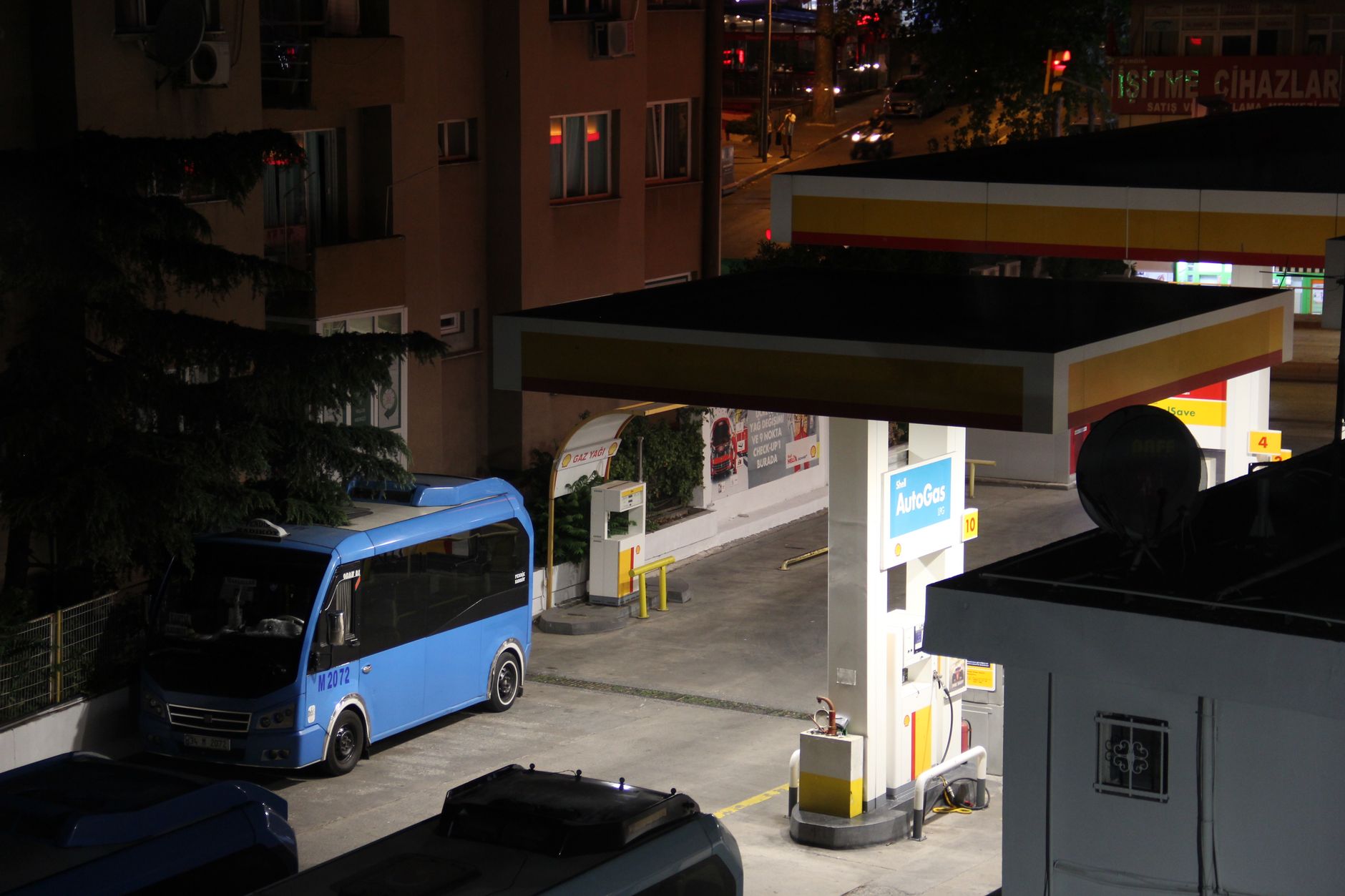
Transitioning from diesel to electric buses involves complex hurdles. From battery degradation to driver retraining, here is what global transit networks have learned.
Cities worldwide are swapping diesel-guzzling fleets for quiet, zero-emission electric buses. While the environmental benefits are clear, the transition is far more complex than simply swapping fuel nozzles for charging plugs. From London to Auckland, transit agencies are uncovering critical, real-world lessons about grid capacity, battery life, and staff preparation.
One of the most stark realities of electric bus rollouts is how temperature affects performance. In colder climates, lithium-ion batteries face severe efficiency losses.
An electric bus cannot be driven like a traditional diesel vehicle. Transitioning requires a paradigm shift in driving behavior to maximize range and ensure safety.
Regenerative braking allows buses to capture kinetic energy during deceleration and feed it back into the battery. Drivers must learn the art of ‘one-pedal driving’ to maximize this regeneration. Fleet managers have noted that a trained driver can achieve up to 20% better range than an untrained peer, making driver academies a critical investment.
Batteries represent the single most expensive component of an electric bus. Understanding their degradation curve is vital for financial planning.
Transitioning to electric means completely redesigning the traditional maintenance depot.
Mechanics accustomed to wrenches and oil filters must now be certified to work on 600V+ electrical systems. Depots require specialized safety gear, insulated tools, and dedicated bay areas. Additionally, securing sufficient power from local energy grids to charge dozens of buses simultaneously has forced transit authorities to invest heavily in smart-charging software and onsite battery storage.