Physical Address
304 North Cardinal St.
Dorchester Center, MA 02124
Physical Address
304 North Cardinal St.
Dorchester Center, MA 02124

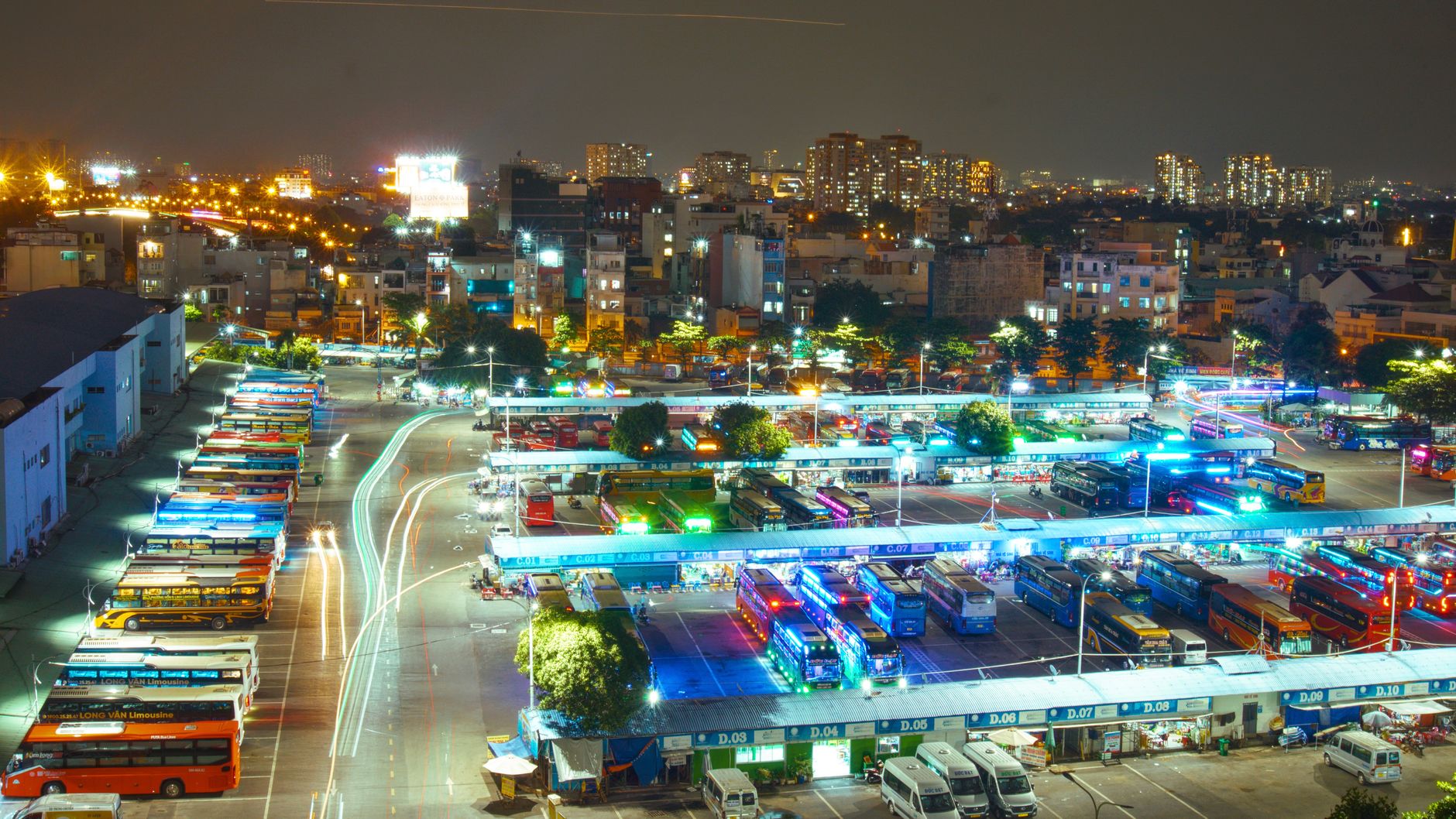
Cities around the world are electrifying transit fleets, but charging hundreds of electric buses overnight puts immense strain on power networks. Explore how smart load balancing, peak shaving, and demand response keep urban grids running.
Across urban centers from Auckland to London, city authorities are accelerating the transition from diesel buses to zero-emission battery-electric transit fleets. While the environmental benefits are clear—reduced urban air pollution, lower carbon footprints, and quieter neighborhoods—the logistical reality behind charging these fleets presents unprecedented engineering hurdles. Plugging in hundreds of heavy-duty electric buses simultaneously overnight creates massive localized electricity demand spikes that can threaten grid stability if unmanaged.
A modern electric city bus typically carries a battery pack ranging from 250 kWh to over 450 kWh—nearly five to eight times larger than a standard passenger electric vehicle. When a single depot attempts to charge a fleet of 100 to 300 buses between 7:00 PM and 5:00 AM, the total power demand can easily reach 10 to 20 Megawatts (MW). Without strategic planning, this concurrent surge coincides directly with domestic evening peak hours, threatening localized distribution lines and risking steep peak-demand tariffs from power utilities.
Rather than relying solely on multi-million-dollar physical grid upgrades, transit authorities are deploying intelligent software solutions known as Depot Charge Management Systems (CMS). Smart load balancing algorithms dynamically manage how and when each vehicle receives power based on real-time parameters:
To reduce reliance on the local grid during high-tariff periods, modern bus depots are increasingly integrating stationary Battery Energy Storage Systems (BESS) combined with rooftop solar installations. Through a technique known as peak shaving, depots charge their stationary batteries during mid-day solar peaks or late-night off-peak periods when electricity is cheapest. When transit fleets return to the yard during evening peak demand, energy is drawn directly from the on-site battery storage rather than pulling high-cost power from the distribution network.
While software optimization minimizes stress, major fleet conversions still necessitate physical grid reinforcements in many metropolitan areas. Energy distribution companies—such as Vector in Auckland—are collaborating with local transport authorities to coordinate targeted substation upgrades and dedicated high-voltage feeder lines. Simultaneously, cities are enrolling depot infrastructure into dynamic demand response programs. In these frameworks, grid operators can send automated signals to bus depots during severe network emergencies, temporarily dialing down charging loads in exchange for discounted commercial electricity rates.
Looking to the future, parked electric bus fleets offer huge potential as decentralized energy assets. Through bidirectional charging technology, or Vehicle-to-Grid (V2G), hundreds of idle bus batteries could collectively inject emergency power back into municipal grids during extreme weather events or sudden outages, turning transit yards from massive energy sinks into resilient urban power reserves.