Physical Address
304 North Cardinal St.
Dorchester Center, MA 02124
Physical Address
304 North Cardinal St.
Dorchester Center, MA 02124

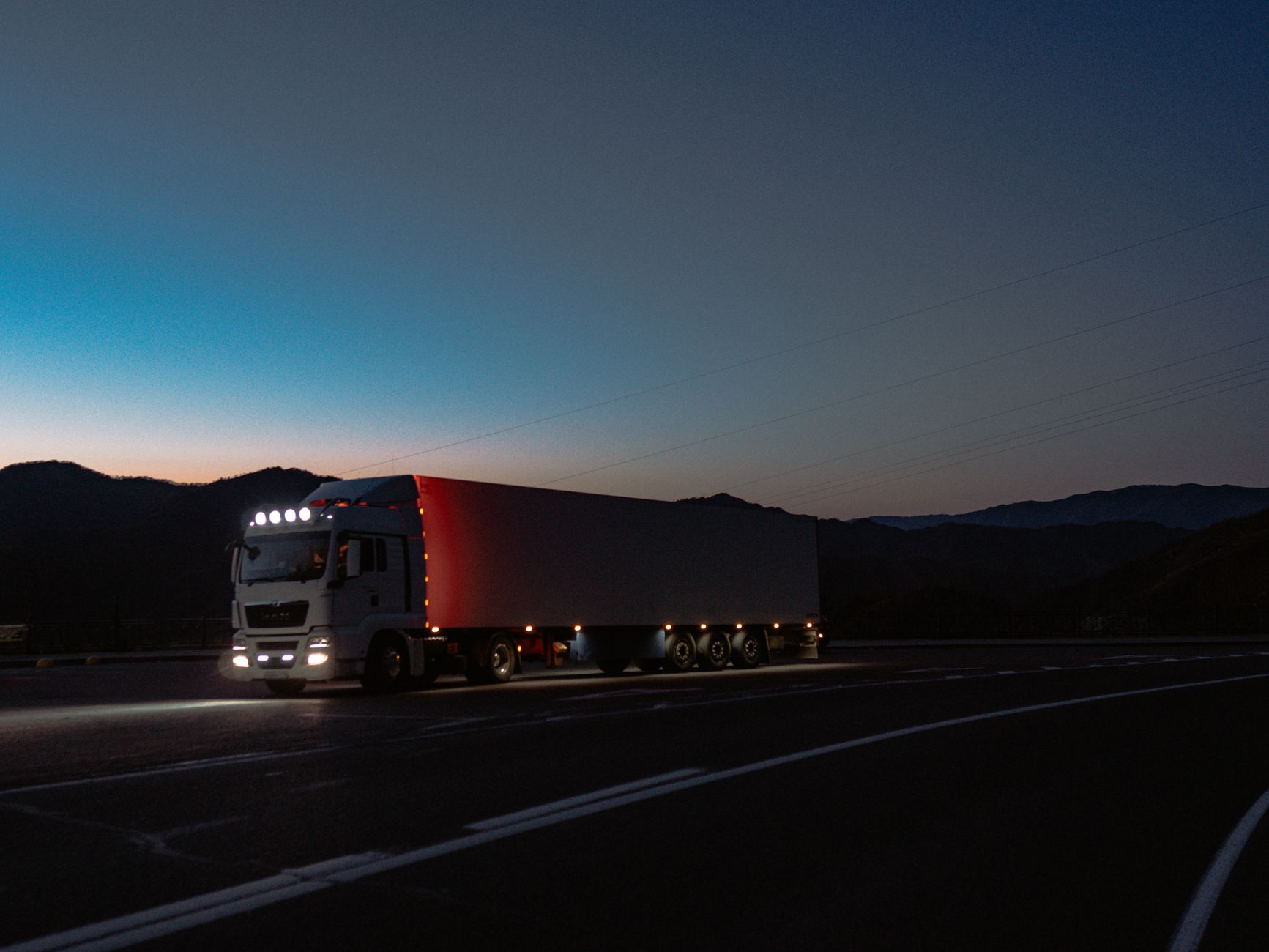
An in-depth analysis of the Total Cost of Ownership (TCO) per kilometer for zero-emission heavy trucks, examining purchase price parity, diesel metrics, maintenance savings, and 10-year depreciation curves.
Freight logistics companies across New Zealand and globally are facing a pivotal juncture. As carbon reduction targets loom and fuel prices fluctuate, commercial transport operators are re-evaluating fleet economics. While zero-emission heavy trucks—spanning battery-electric vehicles (BEVs) and hydrogen fuel cell electric vehicles (FCEVs)—carry significant sticker price premiums, evaluating their true economics requires looking beyond the showroom floor to Total Cost of Ownership (TCO) per kilometer over a 10-year operational lifecycle.
At present, a heavy battery-electric freight truck commands an upfront purchase price between 1.5 to 2.5 times higher than a comparable Euro VI diesel vehicle. However, focus solely on capital expenditure obscures the broader financial equation. Industry forecasts project capital expenditure parity between heavy BEVs and diesel trucks by the late 2020s, driven by falling battery cell costs and scale manufacturing. In the interim, government subsidies, road user charges (RUC) exemptions, and green financing arrangements are rapidly narrowing the initial investment gap.
Energy expenditure represents the largest operational cost for heavy haulage. On a cost-per-kilometer basis, electricity offers a decisive advantage over diesel fuel, particularly when utilizing off-peak commercial charging tariffs or dedicated microgrids.
Internal combustion engine heavy trucks rely on complex systems containing thousands of moving parts, requiring frequent fluid changes, exhaust treatment maintenance, and brake replacements. In contrast, zero-emission powertrains drastically simplify mechanical maintenance routines.
Assessing depreciation for emerging technology remains one of the most critical TCO variables. Historically, diesel trucks follow a predictable depreciation curve, retaining roughly 20% to 30% of their original value after 10 years or 1 million kilometers. Early zero-emission heavy trucks faced accelerated initial depreciation due to concerns over battery degradation and rapid technological advancement.
However, modern heavy-duty battery chemistry—specifically Lithium Iron Phosphate (LFP) and advanced NMC cells—now supports 3,000 to 5,000 full charge cycles, aligning cell durability with the 10-year vehicle chassis lifecycle. Secondary markets for stationary energy storage are also establishing floor values for degraded truck batteries, stabilizing long-term residual value predictions.
When factoring in reduced energy costs per kilometer, decreased maintenance overhead, and evolving tax incentives, the high-mileage heavy freight segment reaches TCO parity with diesel long before purchase price parity occurs. For heavy haulage fleets operating over 100,000 kilometers annually, the transition to zero-emission technology is rapidly shifting from a corporate sustainability goal to a core financial imperative.