Physical Address
96B Grimmer Road, Hamilton Waikato 5810
Physical Address
96B Grimmer Road, Hamilton Waikato 5810

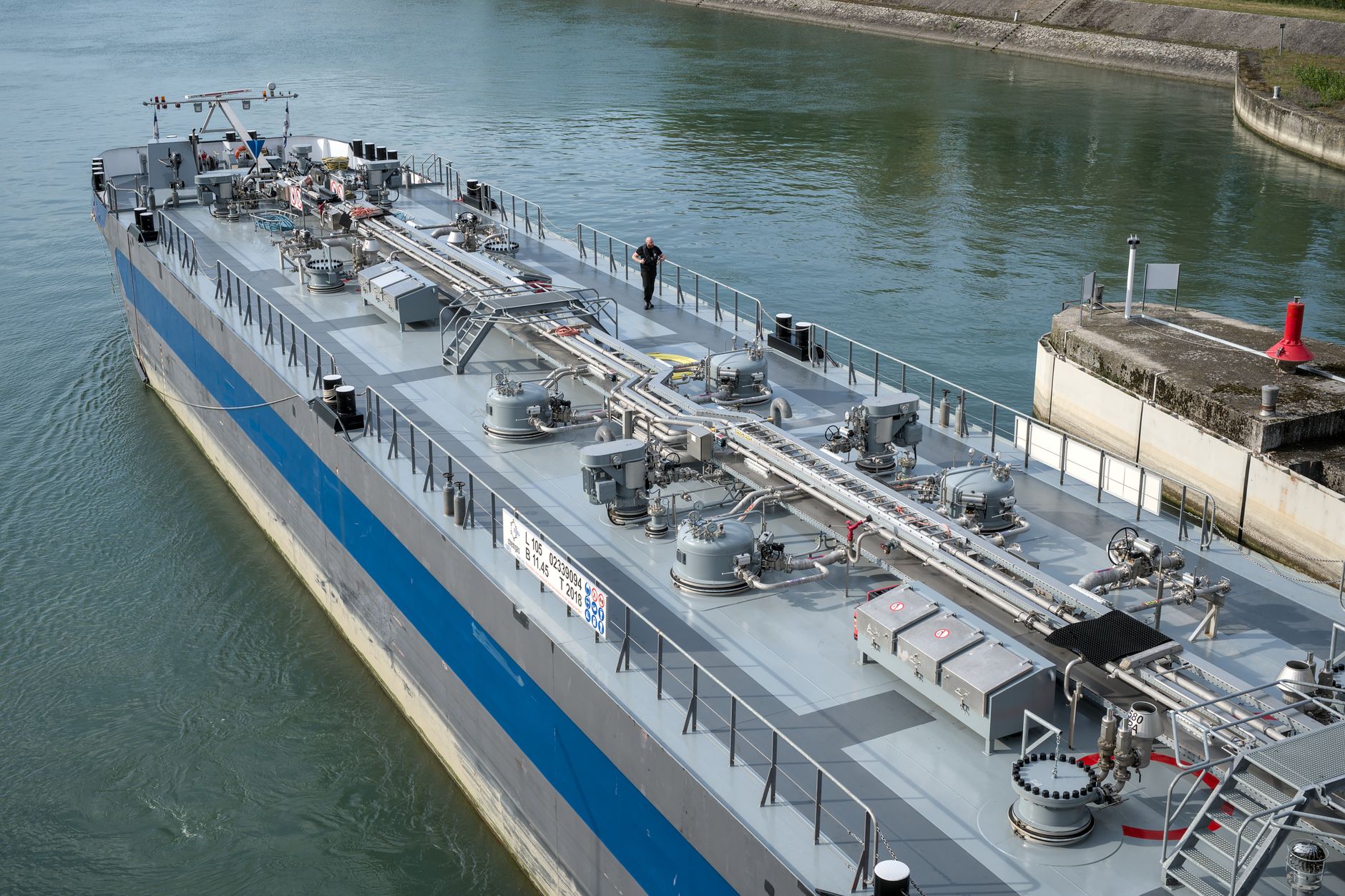
An in-depth analysis of how marine-grade fuel cells and green hydrogen storage could revolutionize coastal shipping, phasing out heavy marine diesel.
As the maritime industry faces intensifying pressure to decarbonise, coastal shipping is emerging as the ultimate testing ground for zero-emission propulsion. Historically reliant on heavy marine diesel (HMD) and heavy fuel oil (HFO), coastal vessels contribute significantly to global and regional emissions. For an island nation like New Zealand, where coastal shipping routes are vital lifelines connecting the North and South Islands, transitioning away from diesel is both an ecological imperative and an economic challenge. The primary contender to lead this revolution is green hydrogen, powered by high-capacity marine-grade fuel cells.
While hydrogen fuel cells have proven their worth in land-based transportation, the maritime environment presents a unique set of hostile conditions. Marine-grade fuel cells must withstand constant salt-spray exposure, extreme humidity, gyroscopic motion, and high-amplitude vibrations. Proton Exchange Membrane (PEM) fuel cells are currently leading the charge due to their rapid start-up times and high power density. Recent advancements in ruggedised, marinised fuel cell systems have demonstrated that these units can match the reliability of traditional internal combustion engines, provided they are integrated with robust air filtration and thermal management systems to mitigate salt degradation.
Despite the high energy density of hydrogen by weight, its volumetric energy density is notoriously low. Compared to heavy marine diesel, liquid hydrogen requires roughly four times the storage volume, while compressed hydrogen at 350 bar requires up to eight times. This presents a critical design paradox for coastal cargo vessels: dedicating valuable cargo space to fuel storage directly impacts a vessel’s commercial viability. To solve this, maritime architects are exploring several options:
Replacing marine diesel with green hydrogen is not merely a technological challenge; it is a systemic one. Currently, green hydrogen remains significantly more expensive than heavy marine diesel. For widespread substitution to occur, several key milestones must be met:
With abundant renewable energy resources, New Zealand is uniquely positioned to pioneer green hydrogen coastal shipping. Domestic initiatives, such as the development of green hydrogen production plants in the South Island, could soon supply clean fuel directly to local shipping lanes. As Auckland aims for ambitious carbon neutrality goals, the integration of marine-grade fuel cells into regional ferries and short-sea cargo vessels represents the next frontier in our journey toward a zero-emission blue economy.