Physical Address
304 North Cardinal St.
Dorchester Center, MA 02124
Physical Address
304 North Cardinal St.
Dorchester Center, MA 02124

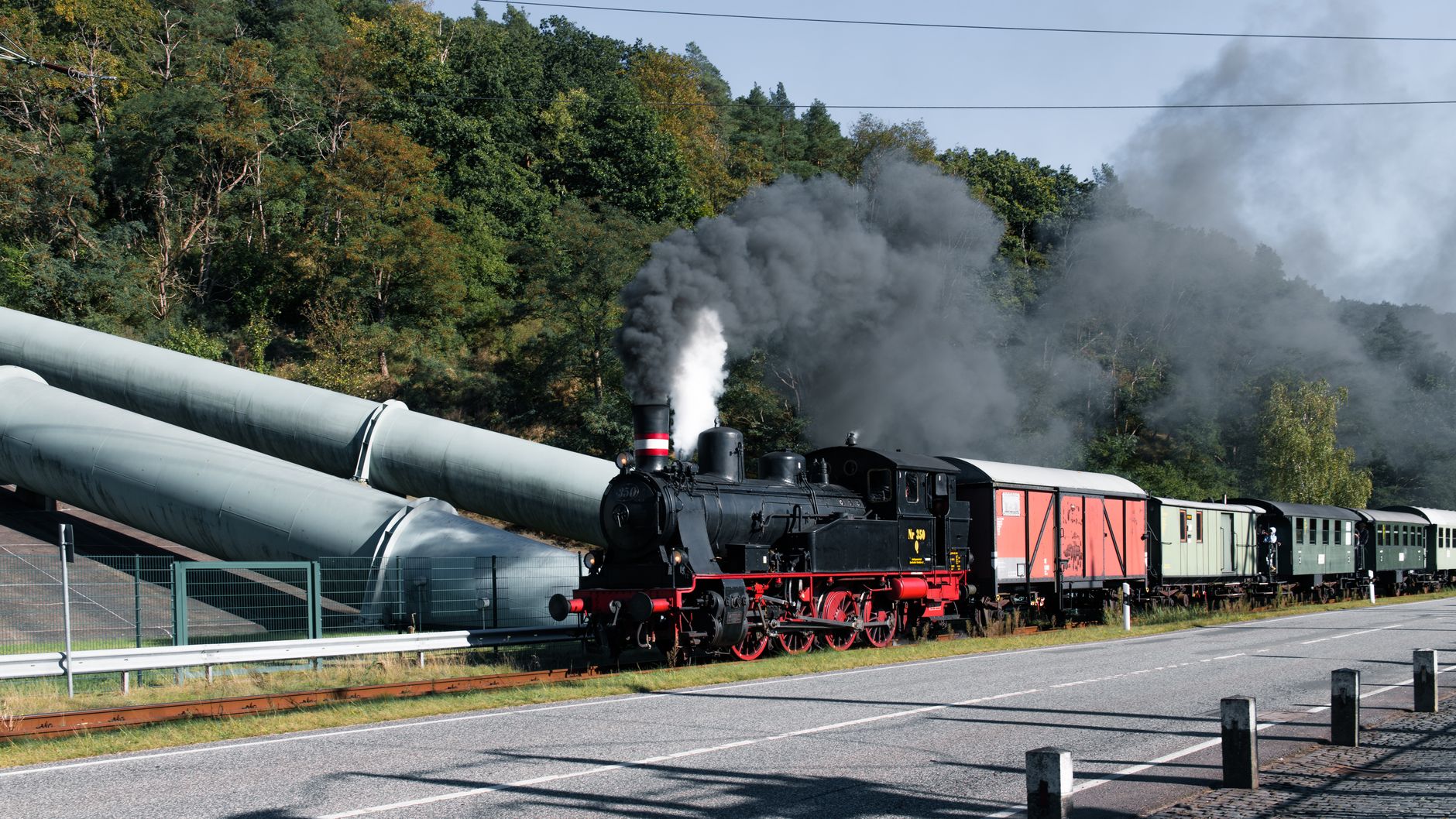
A comparative analysis of how Germany, China, and India are leading the global hydrogen rail movement across deployment metrics, route distances, and government funding.
As nations race to decarbonize heavy transport networks, rail infrastructure has become a prime arena for clean energy innovation. Hydrogen fuel-cell trains are rapidly emerging as the leading zero-emission alternative for regional, non-electrified routes. In this comparative global leaderboard, we examine how frontrunners Germany, China, and India stack up in commercial deployment, route distances, government backing, and operational readiness.
Germany leads the world in real-world, commercial passenger service integration. With the launch of Alstom’s Coradia iLint fleets in Lower Saxony, the country proved that hydrogen fuel cells could reliably replace legacy diesel engines on active passenger networks.
Germany operates passenger services across regional routes spanning over 100 kilometers per loop. The world’s first dedicated hydrogen refueling station in Bremervörde supports daily commercial schedules with impressive uptime statistics.
Backed by multi-million-euro grants from the National Innovation Programme for Hydrogen and Fuel Cell Technology, Germany boasts the highest level of regulatory and operational readiness globally.
Leveraging its massive railway engineering capacity, China has entered the hydrogen rail domain with heavy-haul freight and high-speed regional prototypes.
CRRC’s hydrogen urban train, developed for cities like Chengdu, hits speeds of up to 160 km/h and boasts an operational range of roughly 600 kilometers per single refueling. China leads the pack in raw distance range and top speed capability for urban hydrogen units.
Aligned with Beijing’s 2021–2035 Hydrogen Energy Development Plan, Chinese state enterprises are building integrated energy supply chains that link green hydrogen production directly to major freight and passenger corridors.
Indian Railways is leveraging hydrogen technology through its ambitious ‘Hydrogen for Heritage’ initiative, converting traditional diesel engines on scenic and regional routes into zero-emission powerhouses.
India’s initial pilot corridor along the Jind-Sonipat route (89 km) serves as the testing ground before expanding to high-profile heritage lines like Kalka-Shimla. India focuses heavily on retrofitting existing rolling stock to keep capital expenditures low.
Funded through the National Green Hydrogen Mission, India aims to launch up to 35 hydrogen trains, prioritizing localized electrolyzers at fueling stations to lower long-term operating costs.
The global transition to hydrogen rail is no longer a theoretical exercise. Germany provides the operational benchmark, China delivers high-capacity speed, and India demonstrates how legacy networks can be modernized. Together, these nations are defining the blueprint for sustainable transit systems worldwide.