Physical Address
304 North Cardinal St.
Dorchester Center, MA 02124
Physical Address
304 North Cardinal St.
Dorchester Center, MA 02124

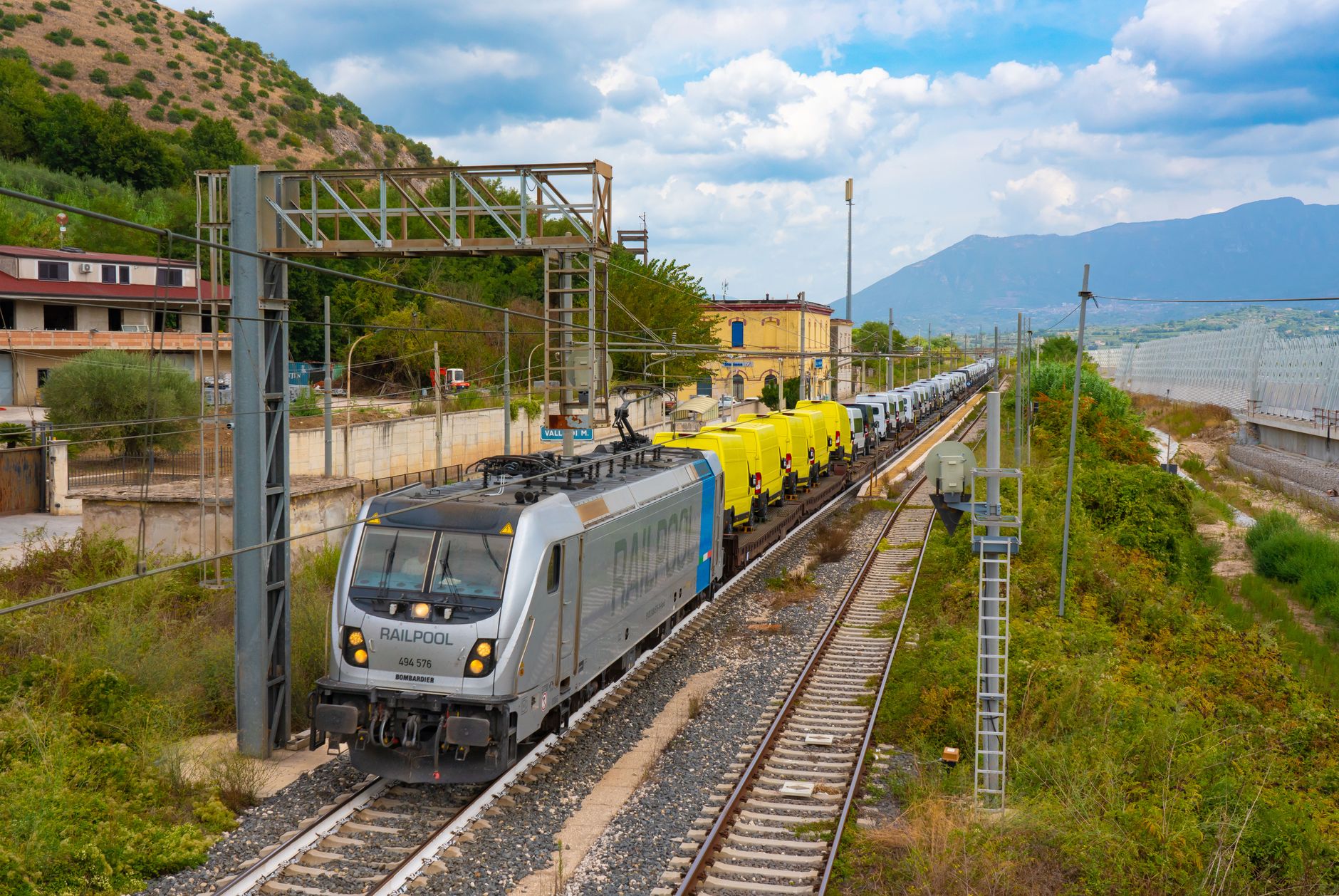
As transit authorities race to decarbonise regional transport, regional rail faces a crucial crossroads: heavy overhead catenary infrastructure or hydrogen fuel cell trains? We analyze the CapEx, grid impact, and lifecycle ROI.
As transport planners across New Zealand and the globe push toward net-zero emissions, rail networks face a pivotal architectural crossroad. While urban commuter networks have long favoured direct track electrification, low-density regional corridors present a far more complex financial puzzle. Transport authorities are currently weighing two competing decarbonisation pathways: traditional overhead catenary system (OCS) electrification and emerging hydrogen fuel cell multiple units (HMUs).
The fundamental economic divide between these solutions lies in where capital expenditure (CapEx) is allocated. Overhead catenary requires immense upfront civil infrastructure investment before a single electric train can operate. Installing gantries, overhead wiring, substations, and earthing systems across hundreds of kilometers can cost upwards of $2 million to $5 million per track kilometer, depending on terrain.
Conversely, hydrogen rail shifts the financial weight from linear track infrastructure to rolling stock and centralized refueling hubs. Key CapEx considerations include:
Electrification methods impose distinct demands on energy supply networks. Catenary networks draw electricity directly from high-voltage transmission lines through traction substations, delivering exceptional round-trip efficiency of around 75% to 80% from grid to wheel. However, remote regional tracks often lack proximity to high-capacity grid connection points, requiring costly transmission line extensions.
Hydrogen rail introduces a more complex energy conversion chain. Green hydrogen produced via water electrolysis yields an end-to-end efficiency of roughly 30% to 35% due to energy conversion losses during electrolysis, compression, transport, and fuel cell reconversion. Despite this efficiency penalty, hydrogen offers grid flexibility. Electrolysers can operate during off-peak hours or integrate directly with co-located renewable generators, avoiding peak grid tariffs and high connection upgrade fees.
Engineering challenges on existing regional corridors frequently tip the economic balance. Older rail corridors, such as New Zealand’s rugged regional lines, present structural bottlenecks that dramatically inflate overhead catenary costs:
When calculating total cost of ownership (TCO) over a 30-year operational lifecycle, catenary systems demonstrate superior operational expenditure (OpEx) performance. Direct electricity is vastly cheaper than liquid or compressed hydrogen, and electric trains feature lower maintenance requirements due to fewer moving parts and longer component lifespans. Over high-density corridors, catenary systems amortise their high upfront CapEx, delivering a superior lifecycle ROI within 15 to 20 years.
For low-to-medium density regional routes, however, hydrogen trains offer a lower break-even threshold. Because hydrogen avoids line-wide infrastructure capital costs, it provides a faster path to operational decarbonisation on long-distance routes where track electrification cannot be economically justified.
Neither technology serves as a universal solution. High-frequency arterial lines undeniably justify the heavy CapEx of overhead catenary electrification through superior efficiency and lower operating costs. However, for expansive regional rail networks with low service density, challenging topography, and restricted grid access, hydrogen fuel cell technology presents a compelling, flexible, and economically rational alternative.