Physical Address
304 North Cardinal St.
Dorchester Center, MA 02124
Physical Address
304 North Cardinal St.
Dorchester Center, MA 02124

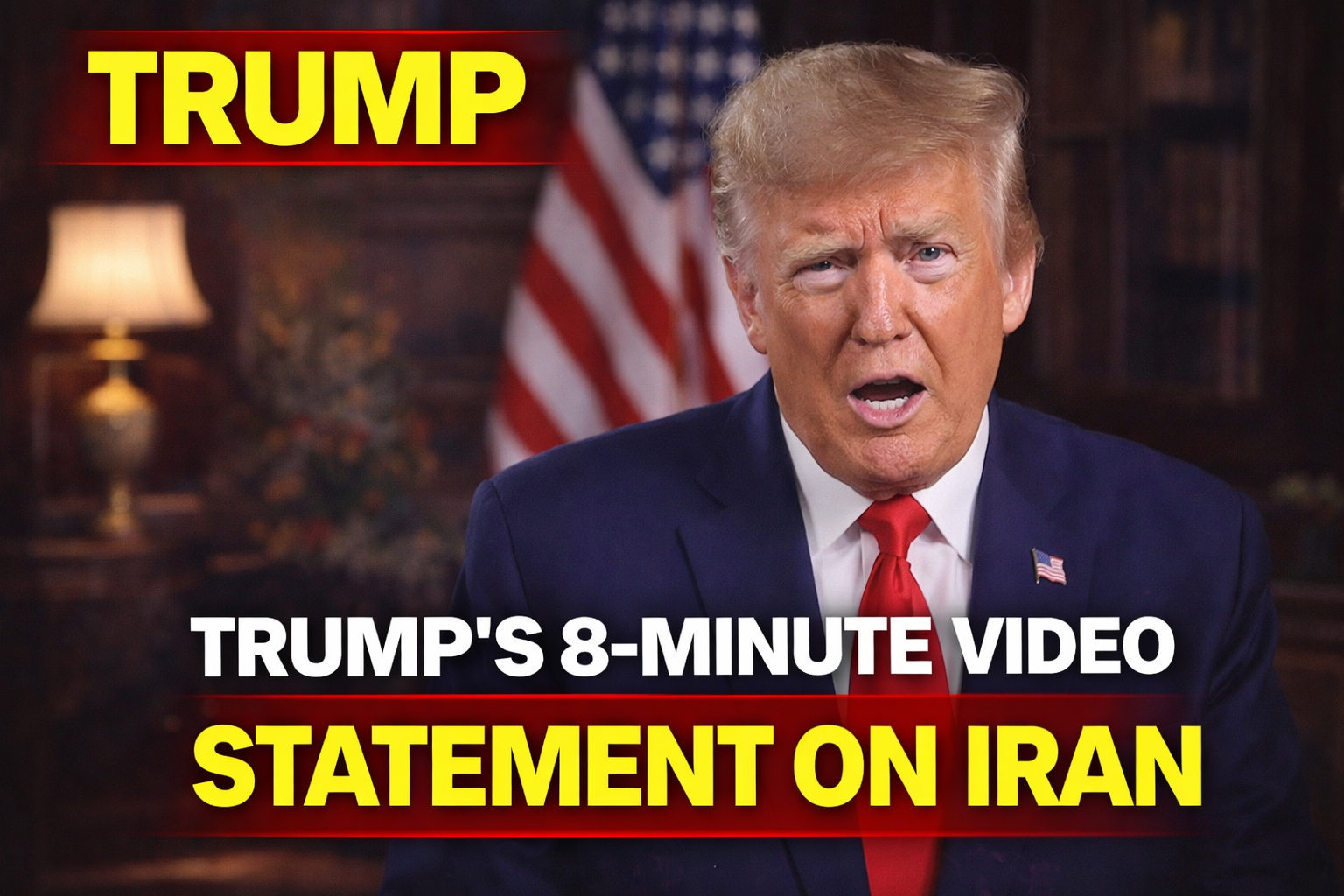
Washington — In a widely shared 8-minute video released amid the escalating conflict between the United States, Israel and Iran, former U.S. President Donald Trump delivered a forceful statement outlining his perspectives on the crisis, national security, and America’s geopolitical stance.
In the video, Trump reiterated his support for the recent joint military actions taken by the U.S. and Israel, framing them as necessary for national and regional security. He emphasized the importance of deterrence against threats he described as direct challenges to U.S. interests and allies.
Trump also called on American citizens to remain calm, assuring that military decisions were being made with “America’s best interests” in mind, and that diplomatic avenues remain essential to resolving broader tensions.
Trump’s video quickly went viral, attracting strong reactions across political and international audiences:
The release underscored how political leaders use direct communication tools — especially video — to shape narratives around conflict and national policy. In a highly polarized environment, such videos can influence public perception both domestically and internationally.
With social media and global news amplification, Trump’s message likely contributed to heightened discussion about U.S. foreign policy and the Middle East situation at large.
Observers say statements by high-profile leaders during conflicts can:
As the conflict evolves, political messaging will remain a key factor in how events are interpreted around the world.