Physical Address
96B Grimmer Road, Hamilton Waikato 5810
Physical Address
96B Grimmer Road, Hamilton Waikato 5810
Over 46,000 children's sand products have been recalled in New Zealand due to asbestos concerns. Learn how to identify affected products and keep your family safe with our comprehensive safety guide.
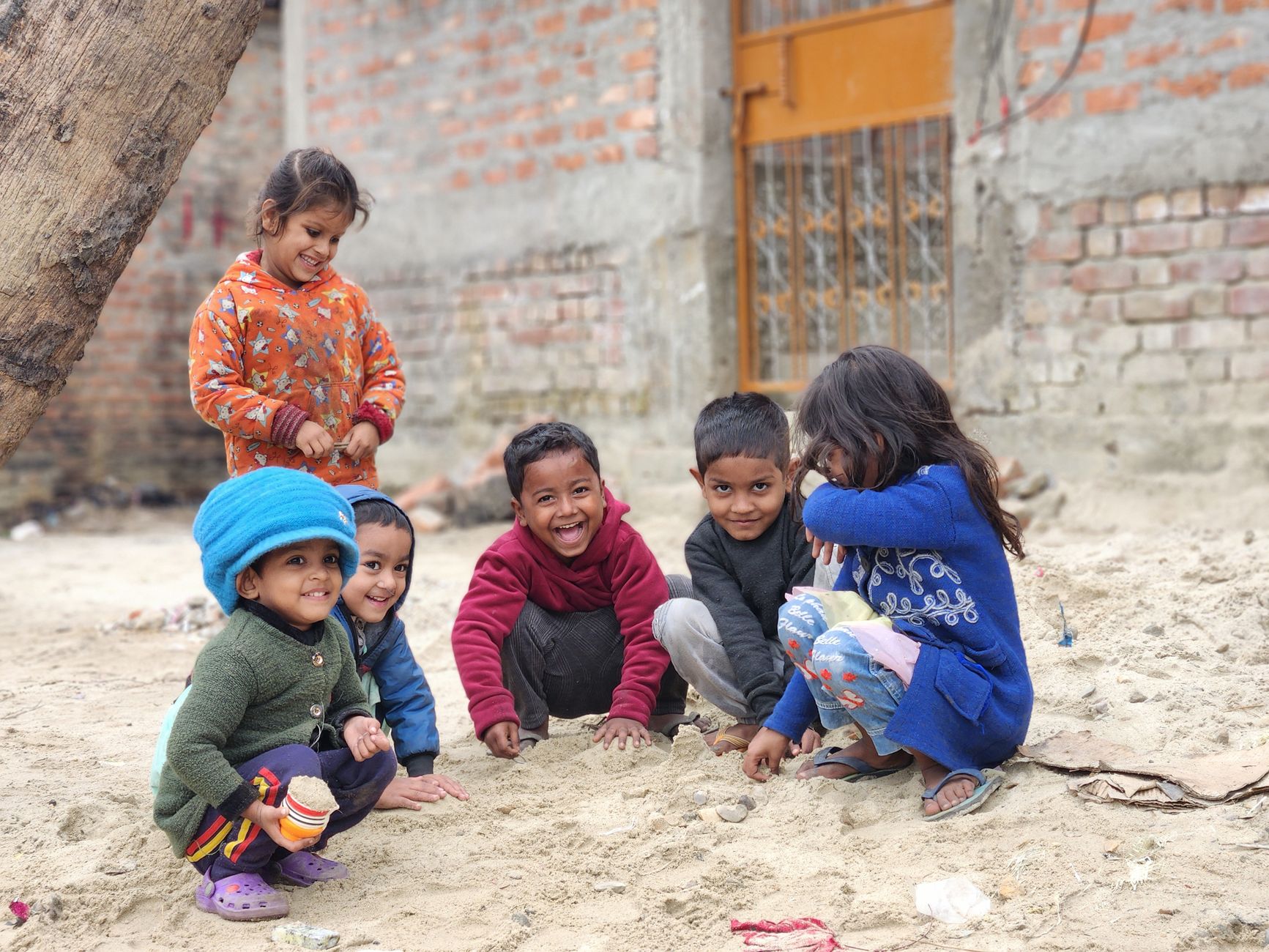
Kiwi parents are on high alert following revelations that over 46,000 play items have been flagged due to toxic contamination. If you have sensory bins or playpits at home, understanding the risks of asbestos children’s sand products NZ has never been more urgent. The New Zealand Government has confirmed that 23 separate recalls covering tens of thousands of products have been enacted, prompting calls for mandatory pre-sale testing for imported play sand.
While the thought of asbestos in a toddler’s toy is deeply alarming, being armed with the right information is your best defense. This practical guide walks you through exactly how to check your child\’s sand products, identify recalled items, and ensure your home remains a safe zone for creative play.
Asbestos is a naturally occurring mineral known for its heat-resistant properties, but it is also a Class 1 carcinogen. It occasionally contaminates play sand because of how the sand is sourced. Natural sand is quarried from areas that may contain trace deposits of tremolite or actinolite asbestos. If the quarrying and processing oversight is weak, these hazardous fibers can end up packaged and shipped straight to retail shelves.
Because children inhale deeply while playing close to the ground, any dust kicked up from contaminated sand poses a direct health hazard. This has led the Ministry of Business, Innovation and Employment (MBIE) to propose stricter regulations, including mandatory testing before any consumer sand products can enter the New Zealand market.
If you have play sand or sand-based toys in your Auckland backyard or playroom, do not panic. Follow these step-by-step checks to verify their safety:
Look at the packaging of your play sand or the toy kit it came with. Major New Zealand retailers, including Kmart, Warehouse Stationery, and various specialty toy stores, have previously carried affected stock. Take note of the exact brand name, importer, and product code.
The most reliable way to check for active recalls is through the official Product Safety New Zealand website. Search for ‘play sand’ or ‘asbestos’ to view the 23 active recall notices. Compare the product photos, barcodes, and batch numbers listed on the government website with the items in your home.
Many recalled items are limited to specific batches imported during certain dates. Check the back or bottom of the packaging for batch stamps or manufacturing dates. If your product matches the recalled batch numbers, immediately stop using it.
If you discover that your child’s play sand is part of the 46,000 recalled products, take immediate action:
The scale of the issue has caught the attention of regulatory bodies. With 46,000 contaminated items slipping through the cracks, safety advocates are demanding systemic changes. The government is currently reviewing proposals that would require all importers of children\’s sand products in NZ to provide certified, independent laboratory proof that their products are 100% asbestos-free before they can clear customs.
This proactive testing policy aims to restore consumer confidence and ensure that parents do not have to worry about hidden carcinogens in everyday toy stores.
While regulators work to tighten the supply chain, you can still offer rich sensory experiences for your children using guaranteed safe alternatives: