Physical Address
96B Grimmer Road, Hamilton Waikato 5810
Physical Address
96B Grimmer Road, Hamilton Waikato 5810

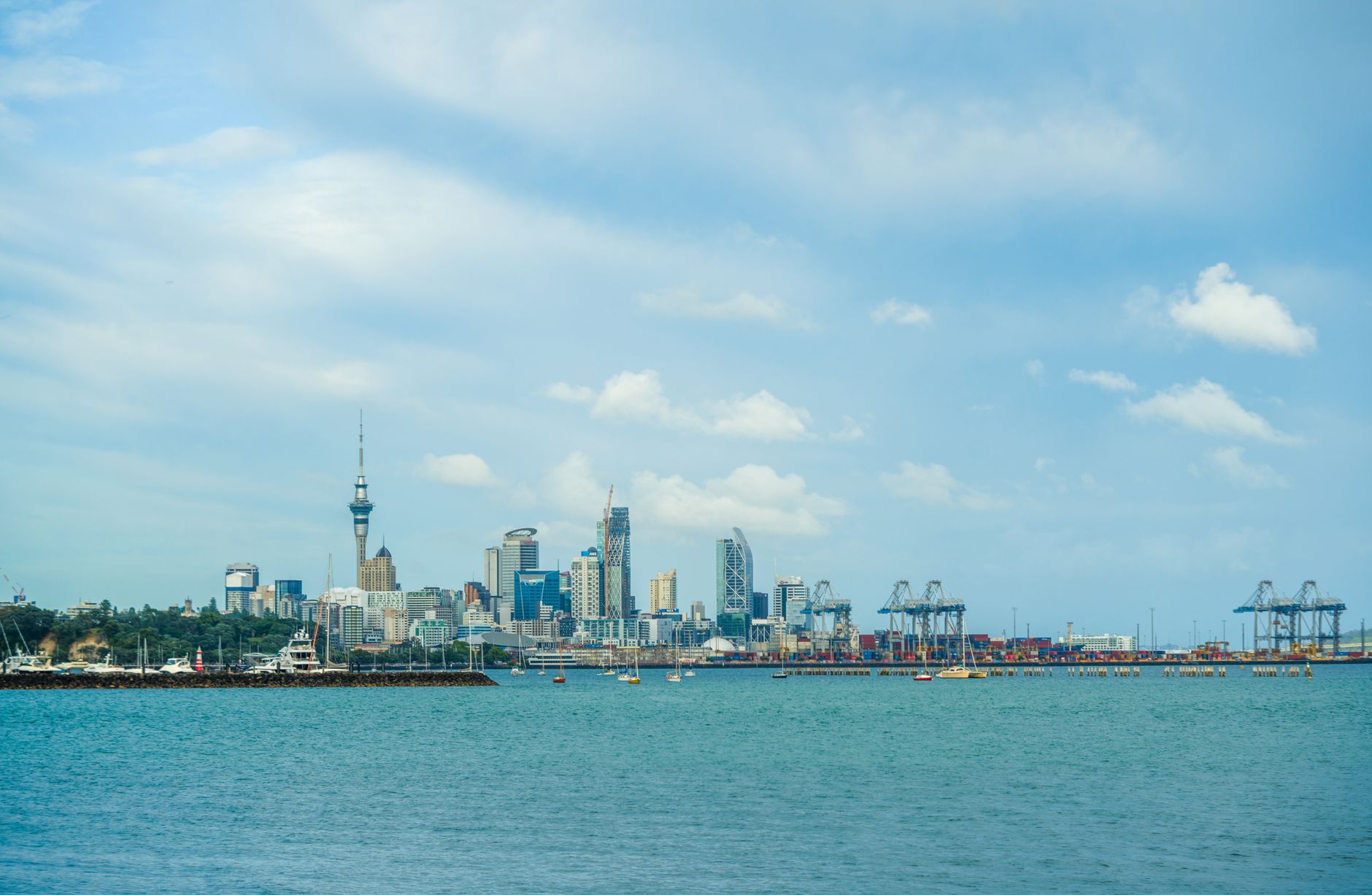
Accelerated housing growth in Auckland could trigger a $5 billion infrastructure bill. Here is how projected service costs might impact developers and homeowners in 2026 and beyond.
As central government policies push to accelerate residential construction across Tāmaki Makaurau, urban planners and council financial analysts are sounding alarms over the long-term price tag. Emerging financial modeling suggests Auckland Council could face a $5 billion infrastructure cost through 2026 and the decade beyond to support rapid greenfield and brownfield intensification. Crucially, stakeholders must distinguish these high-level projected figures from confirmed council allocations. While fast-track legislation aims to bypass planning bottlenecks, funding the essential pipes, roads, parks, and stormwater network updates remains an unresolved conundrum.
To navigate the evolving urban landscape, developers and prospective buyers must understand what the $5 billion figure represents. It is not an active spend already earmarked in the Long-Term Plan, but rather a projected forecast of required investment to make fast-tracked housing sites fully habitable.
If central government mechanisms compel Auckland Council to accommodate rapid growth without extra revenue tools, the pressure will inevitably shift toward localized funding mechanisms. When examining the Auckland housing infrastructure cost 2026 outlook, market participants should prepare for potential financial recalibrations.
For residential developers, this could mean increased targeted rates, higher development contributions (DCs), or delays in physical infrastructure handovers. Prospective homebuyers and current homeowners might eventually see these pressures reflected in rates adjustments or added onto new-build price tags as builders factor elevated site servicing fees into sale costs.
While fast-tracked housing promises to increase much-needed supply, civil leaders emphasize that housing without adequate infrastructure creates future bottlenecks. As Auckland Council continues negotiations with central government officials regarding co-funding models and infrastructure bonds, key stakeholders across the property sector will be watching closely to see how this multi-billion-dollar challenge is addressed in upcoming budgetary cycles.