Physical Address
304 North Cardinal St.
Dorchester Center, MA 02124
Physical Address
304 North Cardinal St.
Dorchester Center, MA 02124

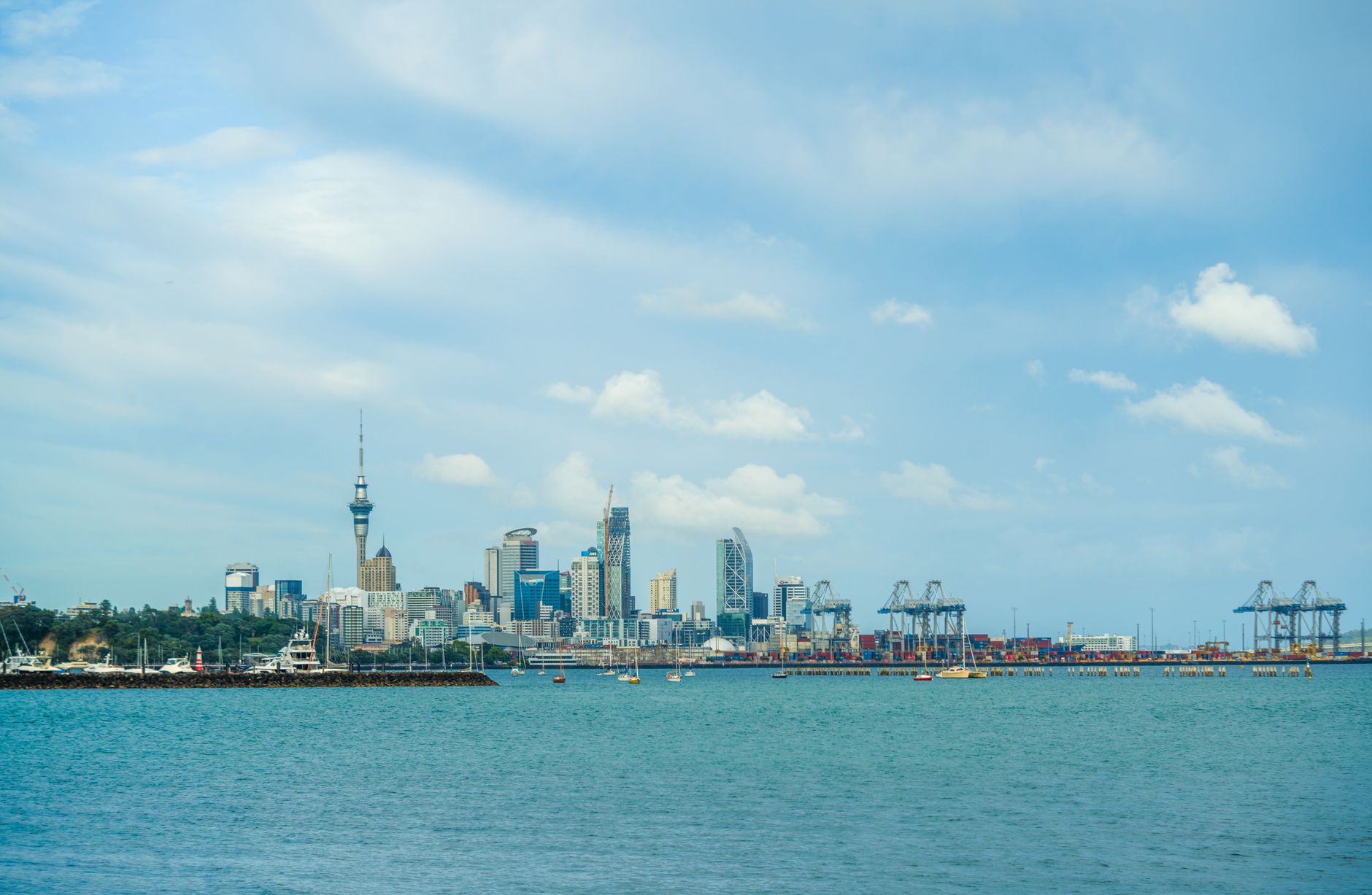
Immigration New Zealand has officially rolled out the much-anticipated updates to the Skilled Migrant Category. Discover how the August 2026 changes open new doors for tradespeople, technicians, and experienced professionals.
On August 24, 2026, Immigration New Zealand officially implemented game-changing updates to the residency pathways. The NZ Skilled Migrant Category changes August 2026 mark a progressive shift toward recognizing practical industry skills, trade qualifications, and years of dedicated work experience. For thousands of skilled migrants currently contributing to the Auckland economy—and those planning their move from overseas hubs like India, South Africa, and the UK—these new pathways offer a much clearer, more achievable route to securing permanent residency.
The updated policy addresses critical skill shortages across New Zealand by introducing dedicated streams for trades and technicians. Under the previous rigid six-point system, many highly skilled workers without formal university degrees struggled to meet the residency threshold. The August 2026 reforms bridge this gap, recognizing that vocational excellence and on-the-job expertise are just as valuable as academic credentials.
If you are a qualified tradesperson or technician, the path to residency has never been more direct. The new system creates a streamlined track for professionals in key sectors, including construction, engineering, automotive, and digital technology. Key features of this pathway include:
One of the most celebrated updates is the enhanced work-experience pathway. This route is designed for experienced professionals who have spent years mastering their craft but lack formal tertiary qualifications. The NZ Skilled Migrant Category changes August 2026 allow applicants to substitute academic degrees with documented, verified work experience in skilled ANZSCO occupations.
With the changes now officially live, prospective applicants should take immediate, strategic steps to position themselves for success. Here is a practical checklist to help you navigate the new process:
Ensure your current job description and daily duties align perfectly with the Australian and New Zealand Standard Classification of Occupations (ANZSCO) list. Under the new guidelines, accurate job classification is critical for claiming work-experience points.
To qualify under any of the SMC pathways, you must hold a genuine full-time job offer from an accredited New Zealand employer that meets the median wage threshold. Auckland’s bustling construction and tech sectors currently host the highest concentration of accredited employers actively looking for overseas talent.
The revised pathways place a high premium on verifiable work history. Start gathering employment reference letters, tax records, payslips, and training certificates early to avoid delays during the assessment phase.
For Auckland, a city undergoing massive infrastructure expansion and digital transformation, these immigration changes are a welcome relief. By simplifying the residency process for technicians and tradespeople, the government aims to attract and retain the global talent necessary to fuel long-term economic growth. Whether you are an electrician from Punjab, a software technician from Bangalore, or a civil engineering specialist from London, the NZ Skilled Migrant Category changes August 2026 present a golden opportunity to make Aotearoa your permanent home.