Physical Address
304 North Cardinal St.
Dorchester Center, MA 02124
Physical Address
304 North Cardinal St.
Dorchester Center, MA 02124

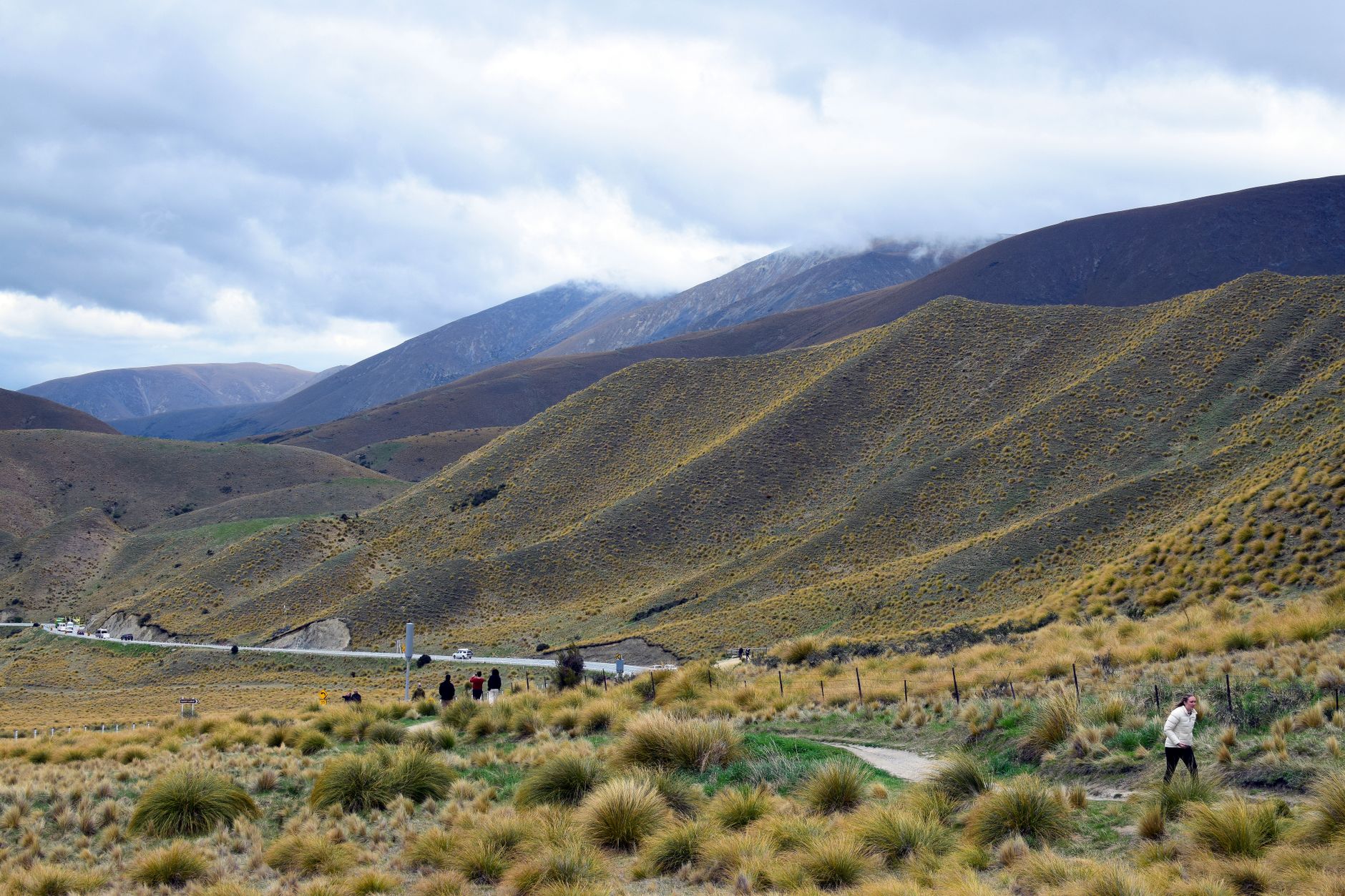
New Zealand has unveiled its landmark NZ Tourism 2050 strategy, establishing a transformative plan to drive high-value economic growth, integrate AI infrastructure, and safeguard local communities.
New Zealand’s visitor sector has entered a bold new era with the official release of the NZ Tourism 2050 strategy. Launched today, this long-term national blueprint sets a decisive vision for the next quarter-century: expanding economic value, fostering sustainable regional development, and leveraging cutting-edge technology without compromising the social fabric and natural environment of local communities.
For decades, New Zealand’s tourism debate swung between volume-driven expansion and environmental preservation. The NZ Tourism 2050 strategy decisively moves the conversation forward, replacing sheer arrival numbers with regenerative metrics, high-yield visitor engagement, and technology-driven infrastructure management.
The strategy focuses on four foundational pillars designed to reshape how domestic and international travelers experience New Zealand:
A standout element of the new strategy is its aggressive adoption of digital platforms and AI solutions. As tourism operators across Aotearoa face workforce shortages and fluctuating seasonal demand, digital innovation is being positioned as a key equaliser.
From Auckland’s dynamic transport planning to remote trail management on the South Island’s West Coast, predictive AI models will be deployed to manage foot traffic, allocate electric vehicle (EV) charging availability, and automate seasonal logistics. Furthermore, enhanced digital credentialing will allow international visitors to seamlessly offset carbon footprints and track their personal regenerative impact during their stay.
The strategy explicitly targets workforce resilience. Rather than relying on transient, low-wage seasonal employment, the plan outlines funded upskilling pathways in eco-guiding, hospitality tech, cultural storytelling, and sustainable gastronomy. This ensures tourism dollars directly support year-round, high-skill employment for regional Kiwis.
As New Zealand’s primary international gateway, Tāmaki Makaurau Auckland holds a pivotal role in the rollout of the NZ Tourism 2050 strategy. Rather than serving purely as a transit corridor, Auckland is slated for major investments in waterfront connectivity, Māori cultural precincts, and sustainable urban transport that links the city centre directly to the Hauraki Gulf islands and regional wine districts.
Under the new roadmap, success will no longer be measured by simple border arrival totals. Instead, the government and industry partners have committed to measuring net environmental enhancement, community satisfaction indices, and regional GDP distribution. As implementation gets underway this year, the NZ Tourism 2050 strategy stands as one of the most progressive national travel policies in the world, setting a standard for how modern nations can welcome the world while protecting home.