Physical Address
304 North Cardinal St.
Dorchester Center, MA 02124
Physical Address
304 North Cardinal St.
Dorchester Center, MA 02124

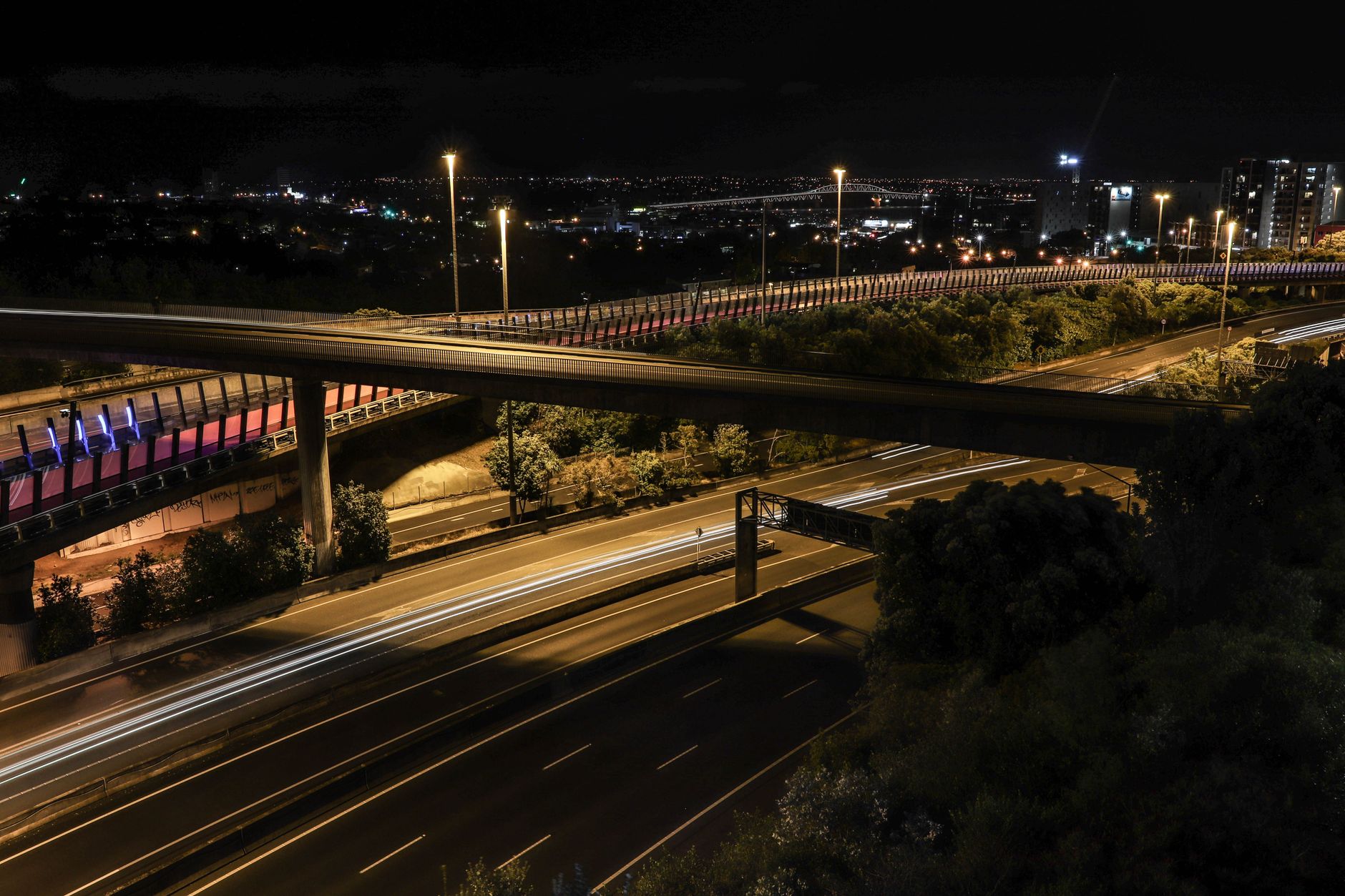
Wondering about the proposed Auckland congestion charge and how it works? Here is a practical breakdown of targeted routes, peak hours, and what it means for your daily commute.
Auckland traffic gridlock has long been a source of frustration for commuters navigating State Highway 1, the Southern Motorway, and the Northwestern Corridor. With local leadership and central government advancing plans for time-of-use pricing, many drivers are asking practical questions about how the system will affect their daily routine.
To grasp the Auckland congestion charge and how it works, it helps to look at time-of-use pricing models successfully implemented in international cities. Unlike standard toll roads that charge a flat fee 24/7, time-of-use charging specifically targets peak traffic windows to incentivise off-peak travel.
Current proposals focus on specific congested corridors rather than imposing a blanket fee across the entire region. Key elements of the proposed framework include:
The primary aim of time-of-use pricing is network efficiency. Transport modeling suggests that shifting just 5% to 10% of peak vehicles off the road during the busiest hours can dramatically increase average speeds and reduce travel delays for everyone remaining on the highway.
For time-of-use charging to be fair and effective, commuters need accessible alternatives. Transport planners are aligning the policy rollout with structural improvements across the region:
While final legislative approvals and specific fee rates are still being finalized, time-of-use charging is poised to reshape Auckland transport landscape. Drivers can start preparing by auditing their current route options, discussing flexible hours with employers, and testing local public transport routes before implementation begins.