Physical Address
304 North Cardinal St.
Dorchester Center, MA 02124
Physical Address
304 North Cardinal St.
Dorchester Center, MA 02124

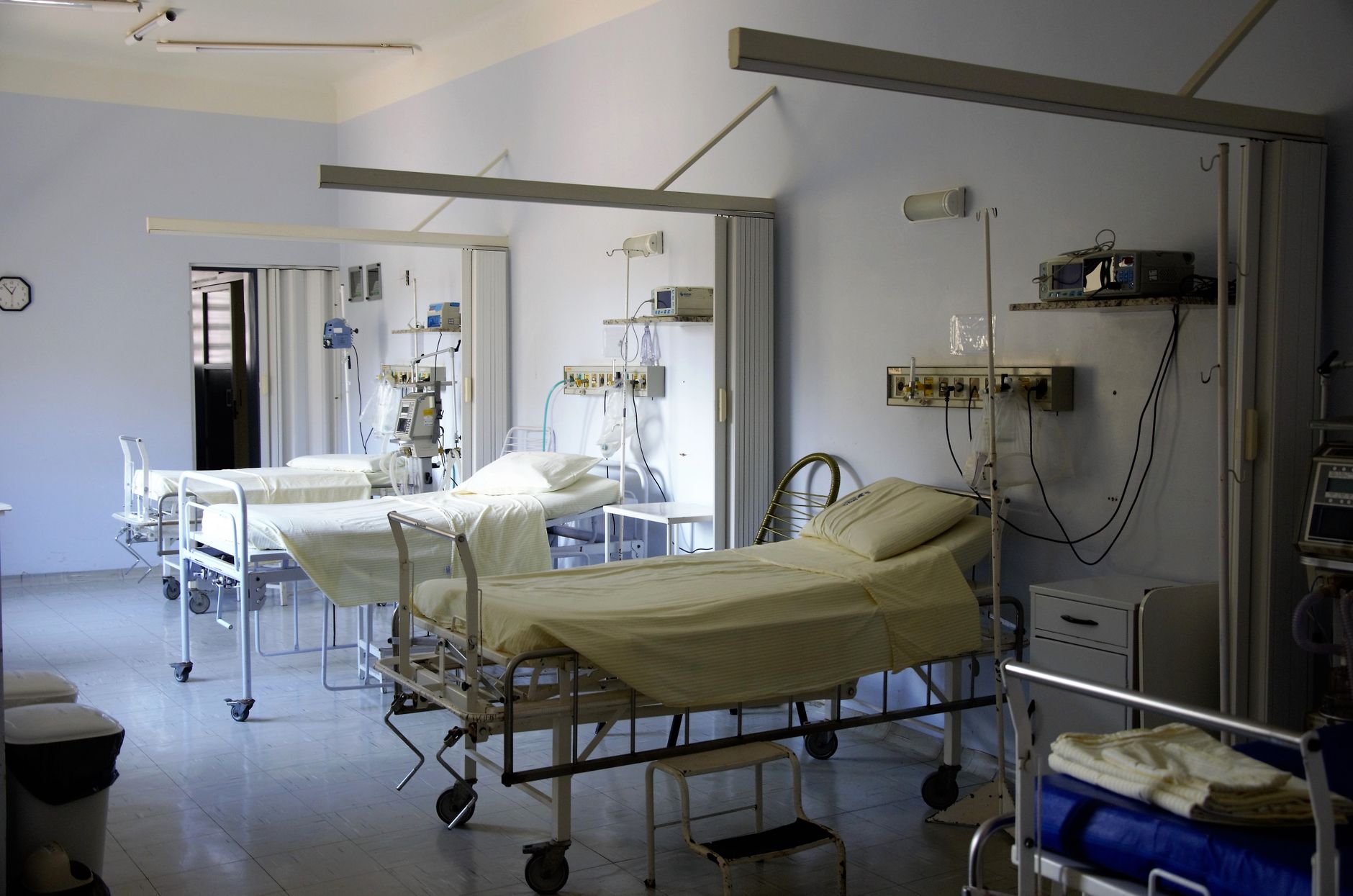
Newly released health data reveals that 42% of public hospital wards in New Zealand were understaffed for over a quarter of shifts, raising urgent patient safety and workforce concerns.
Fresh workforce data released today paints a stark picture of the NZ nurse shortage 2026. According to internal health metrics, 42% of public hospital wards across New Zealand operated under safe staffing thresholds for more than a quarter of all scheduled shifts over the past year. The findings underscore severe operational strain on frontline staff and raise renewed concerns over patient safety and health worker burnout.
The newly published figures examine shift-by-shift staffing ratios across major metropolitan and regional hospitals, including facilities in Auckland, Wellington, and Christchurch. Key takeaways from the dataset include:
For healthcare professionals working on the ground, these numbers validate daily struggles that have been compounding for months. Nurses report managing higher patient-to-nurse ratios than recommended, leading to delayed care delivery and increased cognitive fatigue.
Patient advocacy groups and clinical leaders have expressed immediate concern regarding the operational impact of these deficits. Understaffing in acute wards directly correlates with prolonged wait times in emergency departments, delayed medication administration, and heightened risks of preventable clinical complications.
While Health New Zealand Te Whatu Ora continues active recruitment drives both domestically and internationally, retention remains a significant hurdle. High living costs in urban centers like Auckland, paired with competitive international offers from Australia and the UK, continue to draw experienced staff away from the local workforce.
Addressing the NZ nurse shortage 2026 requires a multi-pronged policy approach that goes beyond short-term relief nursing. Industry experts suggest that key priorities must include:
As public scrutiny intensifies following today’s data release, health leaders face mounting pressure to implement lasting structural reforms that safeguard both patients and healthcare workers across New Zealand.