Physical Address
304 North Cardinal St.
Dorchester Center, MA 02124
Physical Address
304 North Cardinal St.
Dorchester Center, MA 02124

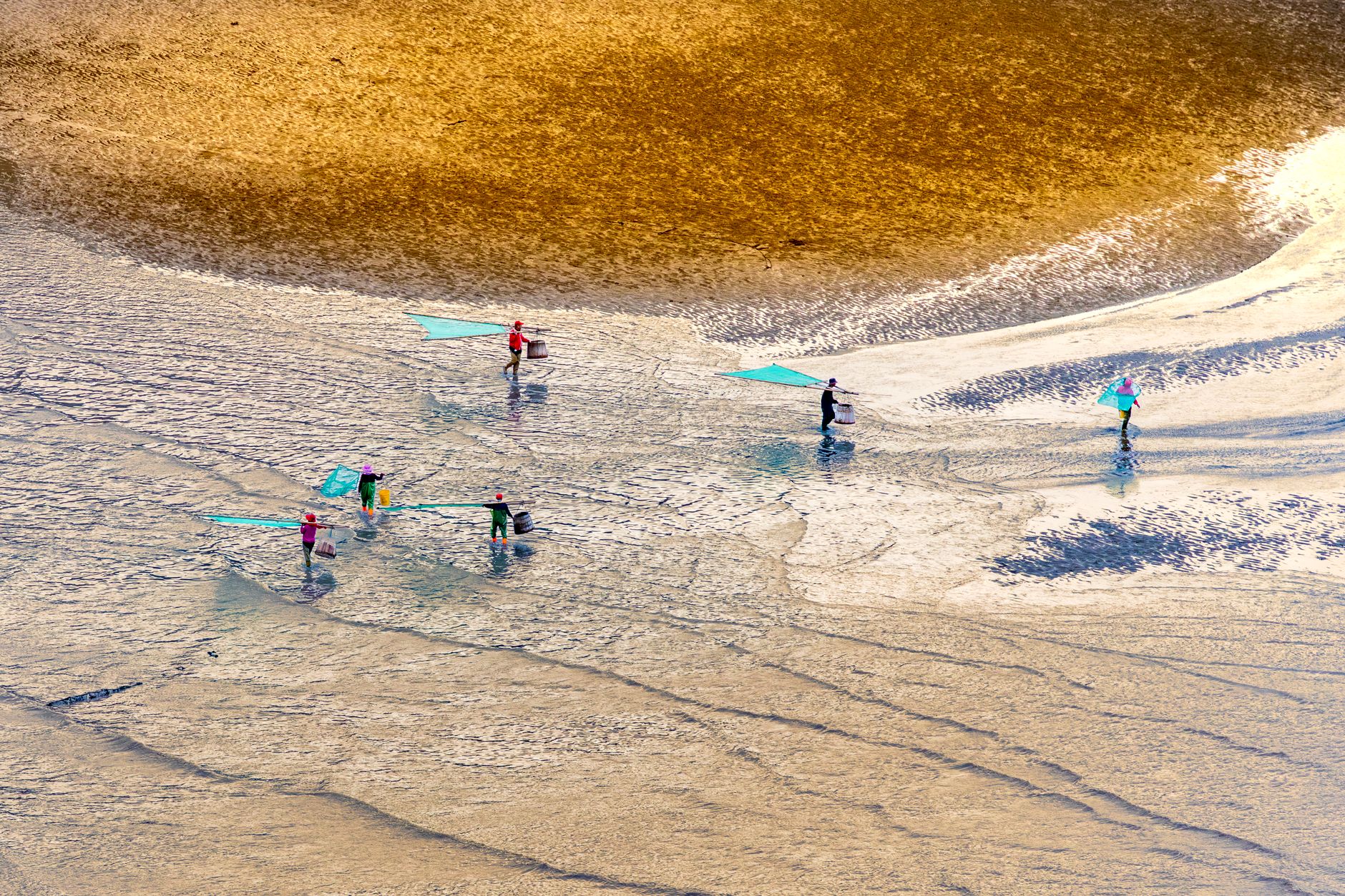
As the NZ whitebait season 2026 gets underway, DOC urges fishers across Auckland and New Zealand to strictly follow biosecurity protocols to protect freshwater habitats from invasive pests.
As spring rivers swell and coastal estuaries draw thousands of avid anglers, the NZ whitebait season 2026 is officially underway. From the rivers surrounding Auckland down to the legendary catchments of the West Coast, Kiwis are eager to haul in the prized delicacy. However, the Department of Conservation (DOC) alongside Biosecurity New Zealand have issued an urgent warning to all fishers: keeping gear meticulously clean is essential to preserving fragile freshwater ecosystems.
New Zealand’s pristine waterways face unprecedented pressures from invasive aquatic pests, including freshwater gold clams (Corbicula fluminea), didymo, hornwort, and invasive aquatic snails. Moving between different catchments without thoroughly decontaminating nets, waders, and boats can rapidly spread these organisms, ruining whitebait spawning habitats and degrading native aquatic biodiversity.
Whitebait consists of the juvenile forms of five native galaxiid species: īnanga, kōaro, banded kōkopu, giant kōkopu, and shortjaw kōkopu. Alarmingly, four of these five species are currently threatened or at risk of extinction. Habitat degradation caused by pest weed overgrowth and clam infestations severely undermines ongoing restoration work across New Zealand rivers.
To ensure full biosecurity compliance during the NZ whitebait season 2026, DOC urges all fishers to strictly adhere to the updated ‘Check, Clean, Dry’ methodology before moving between waterways:
In addition to pest prevention, DOC reminds whitebaiters to adhere to the standardized national regulations aimed at ensuring fishery sustainability:
For Aucklanders heading out to local river mouths around the Kaipara or Manukau Harbours, or traveling south toward the Waikato River, vigilance is key. DOC officers and regional council rangers will be actively patrolling popular riverbanks throughout the NZ whitebait season 2026 to offer advice, check compliance, and supply biosecurity cleaning packs. By practicing clean fishing habits, local anglers play a direct role in protecting Kiwi waterways for future generations.