Physical Address
304 North Cardinal St.
Dorchester Center, MA 02124
Physical Address
304 North Cardinal St.
Dorchester Center, MA 02124

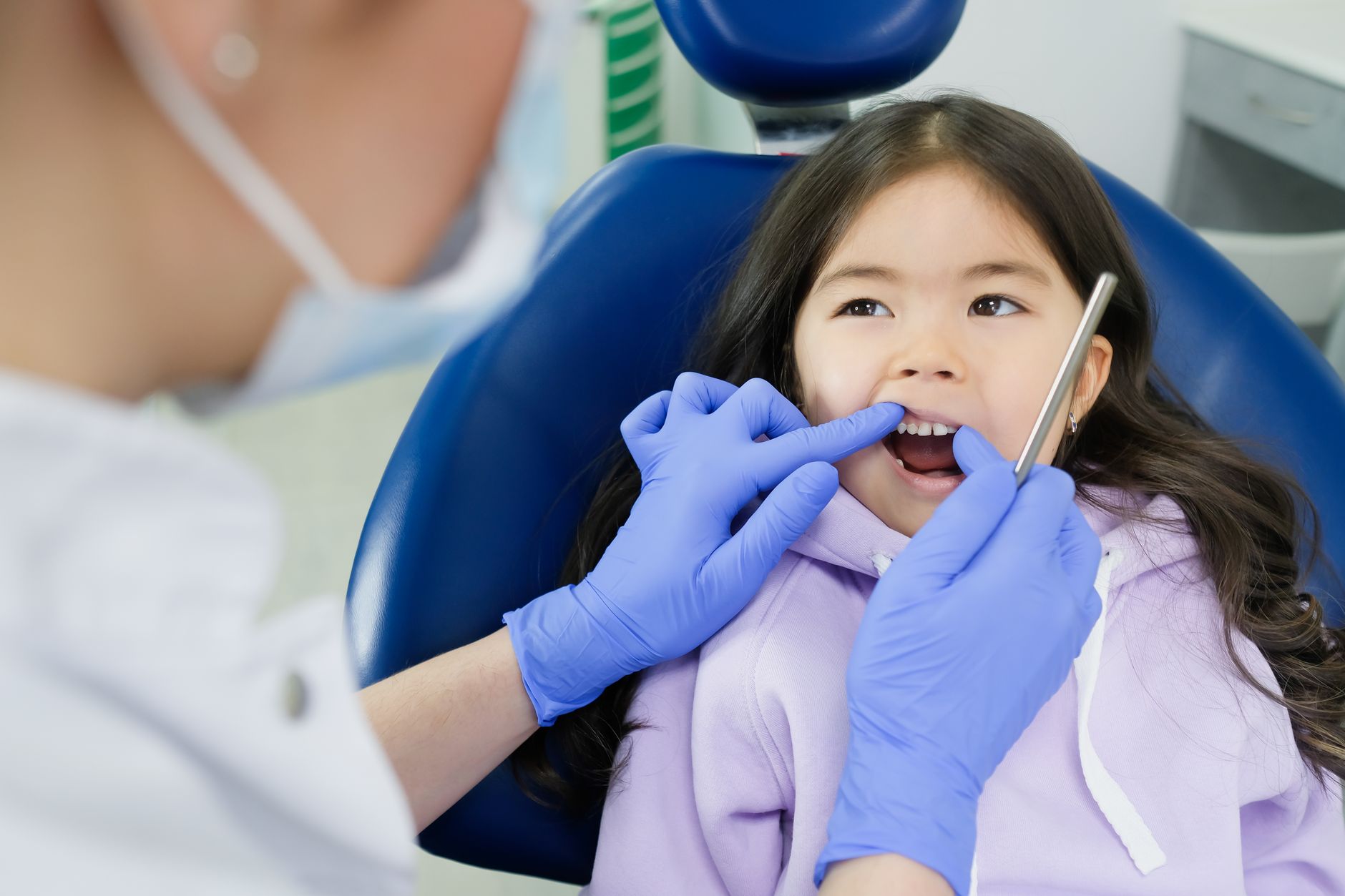
The Auckland children dental waitlist has dropped by an impressive 66 percent. Discover what changed, how hospital theatre capacity expanded, and practical steps families can take to access faster treatment.
In a dramatic turnaround for local public health, the Auckland children dental waitlist has plunged by 66 percent. For thousands of parents across the super-city who have spent months worrying over their children’s untreated cavities and toothaches, this shift represents immediate relief and a long-overdue system improvement.
Public dental services for children had previously faced unprecedented bottlenecks, exacerbated by pandemic disruptions, staffing shortages, and high demand for specialized care under general anaesthesia. However, coordinated interventions across Health New Zealand – Te Whatu Ora hospital networks in Auckland have successfully cleared thousands of backlogged cases, bringing waiting times down to their lowest levels in years.
The sharp decline in the Auckland children dental waitlist did not happen by chance. It is the result of a deliberate, multi-pronged strategy designed to tackle the acute bottleneck in pediatric surgical dentistry.
Historically, the biggest obstacle for pediatric dental cases requiring general anaesthesia was limited operating theatre availability. Dental procedures often had to compete with urgent elective surgeries. By securing dedicated weekend and after-hours operating slots across Auckland City Hospital, Middlemore, and Waitākere Hospital, surgical teams were able to treat significantly more high-needs children each week.
Not every child requiring dental surgery needs full general anaesthesia. Health providers expanded access to publicly funded inhalation and intravenous sedation pathways within community clinics. By treating eligible children in specialized clinic settings rather than hospital operating theatres, clinicians reduced wait times for minor procedures while freeing up general anaesthesia slots for the most complex cases.
To prevent non-urgent dental issues from spiraling into emergency surgical cases, mobile dental vans and community oral health clinics extended their operating hours. Intensive catch-up blitzes targeted high-needs school districts, ensuring early intervention before severe decay required surgical treatment.
Untreated dental issues in children lead to far more than temporary pain. Severe decay can impact eating, sleeping, speech development, and school attendance. By slashing the waitlist by two-thirds, healthcare teams have prevented hundreds of unnecessary hospital admissions for severe dental infections.
Moreover, reducing the backlog allows public dental teams to shift their focus from reactive crisis management back to proactive, preventive care—ensuring Auckland kids maintain healthy smiles from an early age.
While the overall waitlist has decreased dramatically, parents still need to know how to navigate the system effectively to ensure their children receive timely treatment. Here are practical steps to get faster access to publicly funded dental services:
The 66 percent reduction in the Auckland children dental waitlist is a milestone accomplishment for regional healthcare workers and a major victory for local families. As Health New Zealand continues to refine sedation pathways and expand preventive care, Auckland is building a more resilient, accessible oral health system for its youngest residents.