Physical Address
304 North Cardinal St.
Dorchester Center, MA 02124
Physical Address
304 North Cardinal St.
Dorchester Center, MA 02124

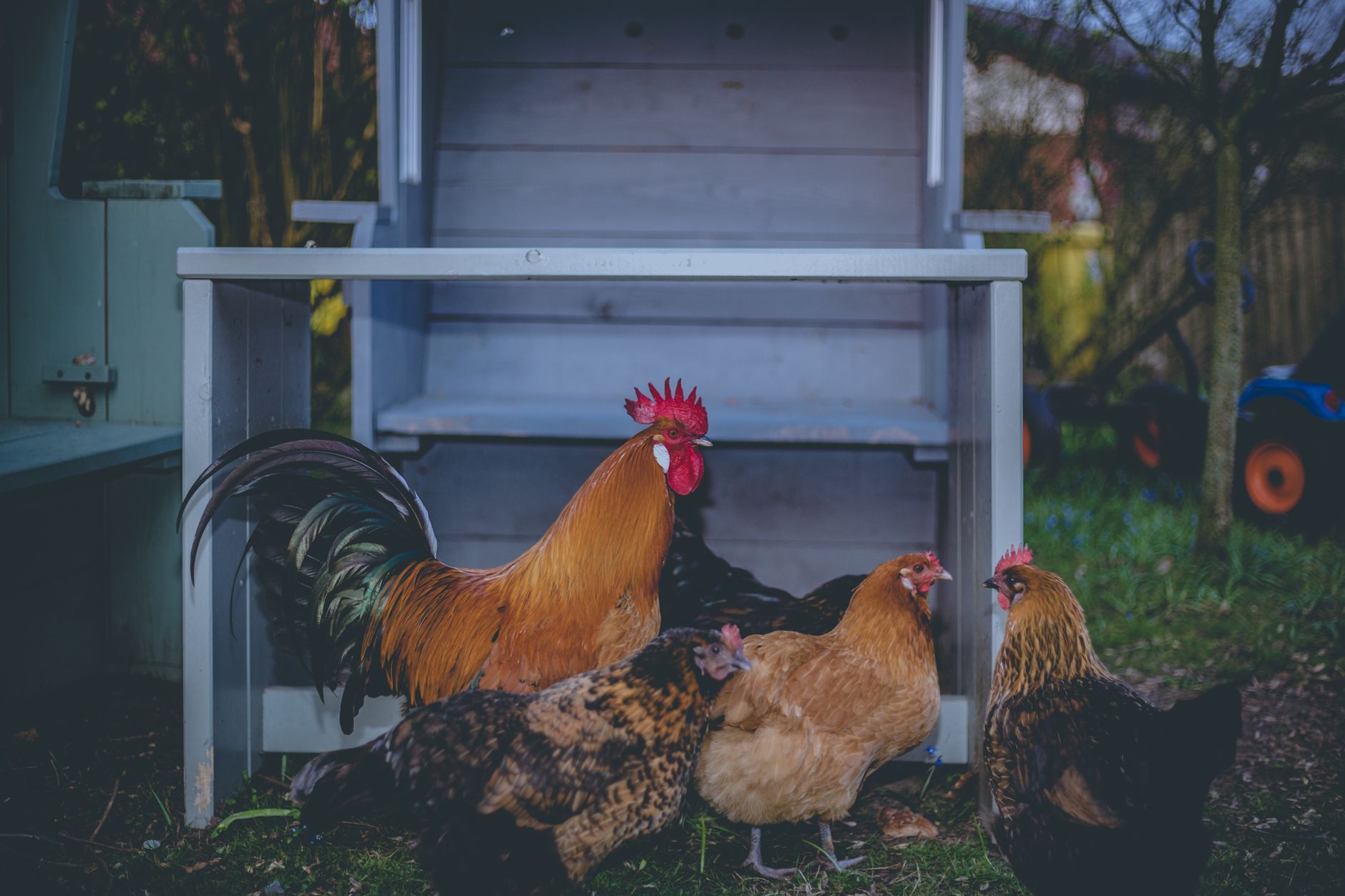
With the global H5 avian influenza threat continuing into 2026, New Zealand poultry owners must step up biosecurity. Here is your practical guide to protecting your backyard flock, despite no current detections in NZ poultry.
As we navigate 2026, the threat of the H5 strain of avian influenza continues to loom globally. While international headlines paint a concerning picture, the crucial fact remains: no H5 bird flu has been detected in New Zealand poultry flocks. However, biosecurity experts and the Ministry for Primary Industries (MPI) urge Kiwi poultry owners to shift from passive monitoring to active, practical preparedness.
For Aucklanders keeping backyard chickens or managing commercial poultry farms, taking proactive steps today is the ultimate defense. Protecting our feathered friends requires an understanding of how the virus spreads and a commitment to robust biosecurity protocols.
Wild migratory birds are the primary vectors of avian influenza. Even though New Zealand’s geographic isolation provides a natural barrier, the risk of wild birds introducing the virus to local ecosystems remains a persistent concern in 2026. Because wild birds can carry the virus without showing obvious signs of illness, keeping your domestic flock completely separated from wild birds is the single most effective action you can take.
You don’t need a commercial budget to implement highly effective biosecurity measures. Here are practical actions every backyard poultry keeper can implement immediately:
Wild birds are constantly on the lookout for an easy meal. If your chicken feed and water bowls are accessible in open runs, you are actively inviting wild birds—and potential pathogens—into your coop. Ensure all feeding and watering stations are fully enclosed within a covered area that wild birds cannot access.
Keep a dedicated pair of boots solely for entering your chicken coop, or use a simple footbath containing an approved disinfectant at the entrance. Wash your hands thoroughly with soap and water both before and after tending to your flock. These simple habits prevent you from accidentally tracking contaminated wild bird droppings into your birds’ living space.
If possible, install fine mesh netting over your outdoor chicken runs to prevent wild sparrows, pigeons, or ducks from entering. Providing a solid roof over at least a portion of the run can also prevent droppings from flying wild birds from contaminating your flock’s environment.
Early detection is vital for containing any potential outbreak. Keep a close eye on your flock for the following symptoms:
If you notice any of these symptoms or suspect something is wrong with your flock, do not wait. You must immediately contact your local veterinarian or the MPI Exotic Pest and Disease Hotline on 0800 80 99 66. Early reporting protects not only your birds but the entire New Zealand poultry industry and wild bird populations.
By adopting a mindset of preparedness rather than panic, Auckland poultry owners can ensure our backyard flocks remain safe, healthy, and productive throughout 2026.