Physical Address
304 North Cardinal St.
Dorchester Center, MA 02124
Physical Address
304 North Cardinal St.
Dorchester Center, MA 02124

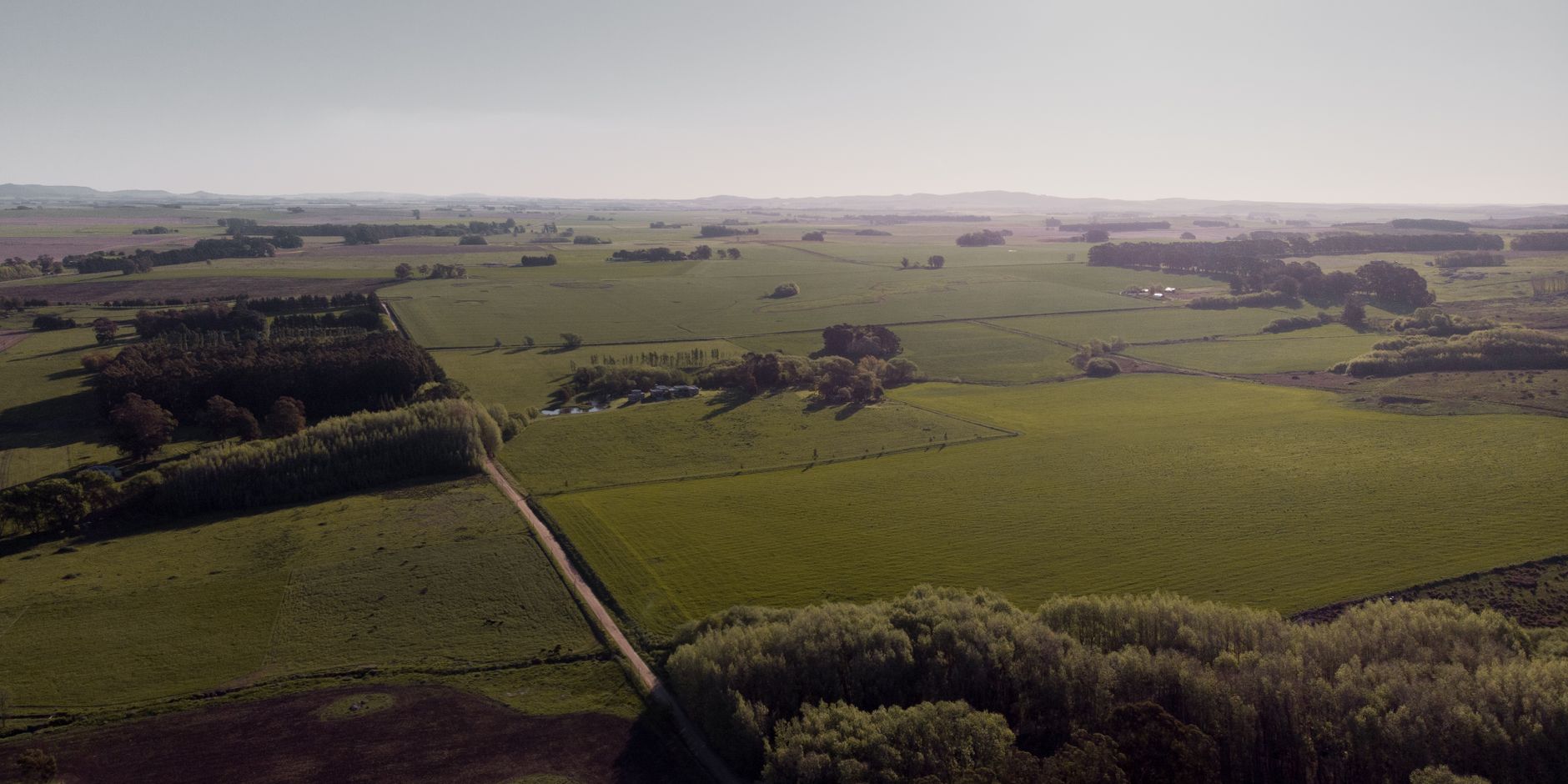
A practical breakdown of New Zealand's updated 2026 agricultural drone regulations, exploring how streamlined BVLOS rules and payload certification shape farm productivity and operational costs.
As New Zealand’s agricultural sector faces mounting pressure to enhance sustainability while cutting operating costs, precision technology has become indispensable. Drones—once considered novelty tools for aerial photography—are now heavy-duty farm workhorses across Waikato dairy pastures, Canterbury cropping plains, and Central Otago vineyards. However, operating heavy agricultural drones capable of spraying, seeding, and heavy lifting has long been constrained by legacy aviation rules. The 2026 Civil Aviation Authority (CAA) regulatory updates mark a pivotal shift, transitioning New Zealand from cautious oversight to a streamlined, risk-proportionate framework tailored specifically for primary industries.
The revised regulations address several long-standing bottlenecks for farm owners and commercial drone contractors. Key changes include:
For ag-drone service providers in regions like Hawke’s Bay and the Bay of Plenty, the reduced administrative burden directly lowers compliance costs. Faster approval cycles for BVLOS flights mean operators can survey hundreds of hectares in a single automated mission, significantly boosting daily throughput.
Streamlined rules do not mean relaxed safety standards. The 2026 framework mandates automated telemetry logging and flight data retention. Operators must maintain precise digital records of spray operations, weather conditions, and geo-fenced boundaries, ensuring full accountability in case of chemical drift or airspace incidents.
If you plan to integrate heavy spraying or seeding drones into your farm operations, consider the following practical steps:
By modernizing drone airspace rules, New Zealand positions itself at the forefront of global precision agriculture. Targeted spot-spraying with heavy ag-drones can cut chemical usage by up to 30%, protecting local waterways and cutting fertilizer bills. The 2026 regulatory changes provide the regulatory certainty needed for Kiwi agribusinesses to invest confidently in autonomous aerial solutions.