Physical Address
304 North Cardinal St.
Dorchester Center, MA 02124
Physical Address
304 North Cardinal St.
Dorchester Center, MA 02124

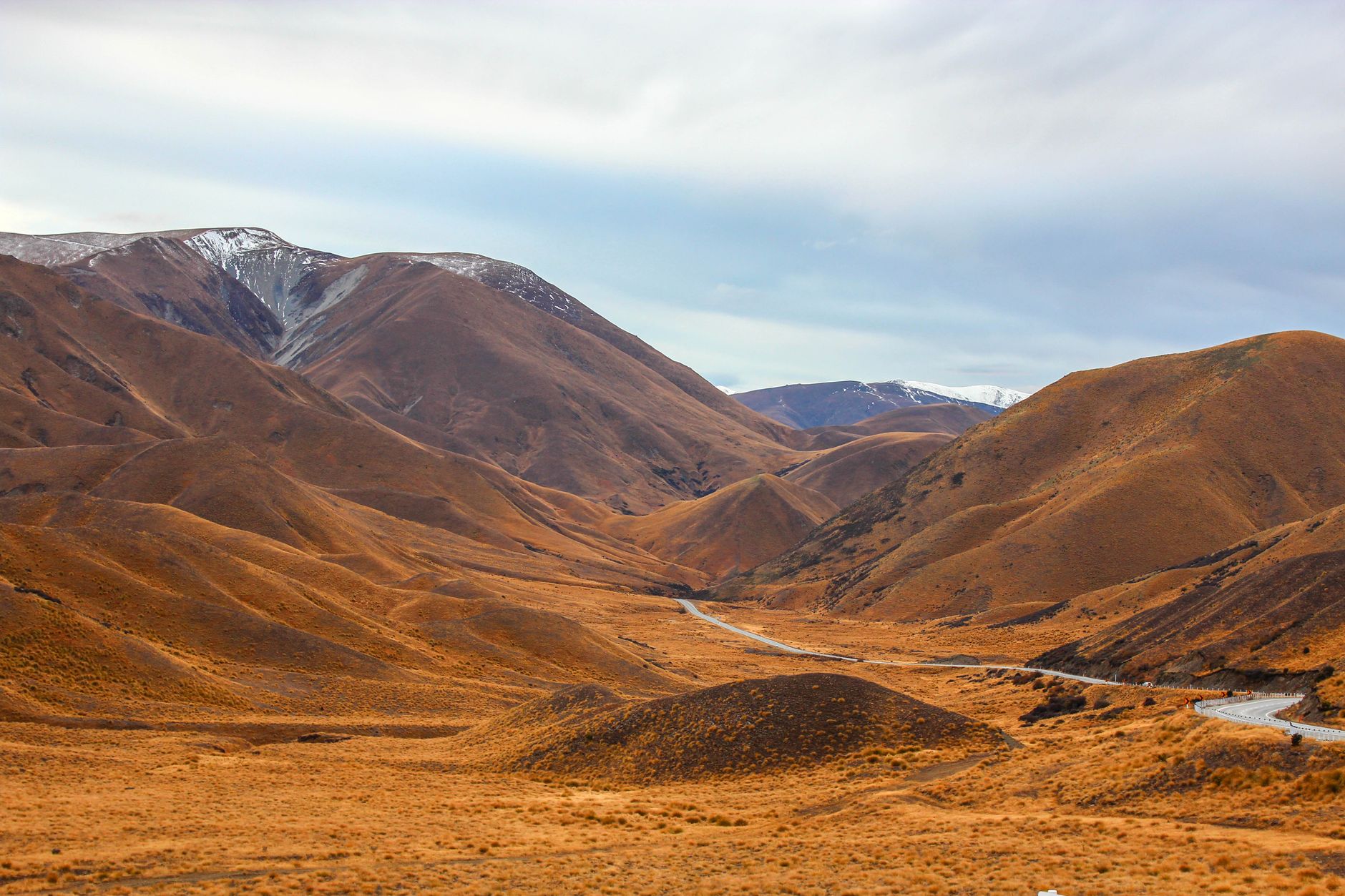
With a powerful El Niño strengthening rapidly for the 2026–27 season, New Zealanders are bracing for a summer of extreme weather. From severe drought risks in primary farming regions to heightened wildfire alerts across the country, here is what this major climate pattern means for your household, water supply, and local environment.
New Zealand is staring down the barrel of a rapidly strengthening El Niño climate pattern heading into the 2026–27 summer season. Climate scientists and NIWA meteorologists are tracking sea surface temperature anomalies across the equatorial Pacific, warning that this cycle could be one of the most intense in recent years. But what does a strong El Niño actually mean for Kiwis, particularly those in Auckland, the East Coast, and our critical agricultural sectors?
During an El Niño phase, the trade winds weaken, allowing warm ocean waters to pile up in the eastern Pacific. For New Zealand, this alters global atmospheric pathways, typically resulting in a surge of strong, persistent westerly and southwesterly winds. The physical geography of the country acts as a massive barrier, leading to two starkly different realities:
For New Zealand’s primary sector, El Niño is a double-edged sword that mostly cuts deep. Farmers in Canterbury, Otago, and the East Coast are already preparing for dry spring and summer conditions. The lack of soil moisture early in the season can significantly stunt pasture growth, forcing dairy and sheep farmers to make tough, early decisions regarding supplementary feed, stocking rates, and water usage. Water storage schemes and irrigation restrictions are expected to be triggered much earlier in the 2026–27 cycle than in neutral years.
With prolonged dry spells and high winds, the risk of wildfire escalates dramatically. Areas that have experienced lush vegetation growth during past La Niña years now have a high volume of dry fuel. Fire and Emergency New Zealand (FENZ) is already urging residents in rural-urban interfaces—including areas around Auckland’s Waitākere Ranges, Canterbury, and Central Otago—to clear dry brush and create defensible spaces around properties. Simultaneously, councils are closely monitoring municipal water reservoirs, with early water conservation notices anticipated for dry-prone metropolitan areas.
While the country cannot control global climate systems, households can take practical steps to mitigate the impact of El Niño: