Physical Address
304 North Cardinal St.
Dorchester Center, MA 02124
Physical Address
304 North Cardinal St.
Dorchester Center, MA 02124

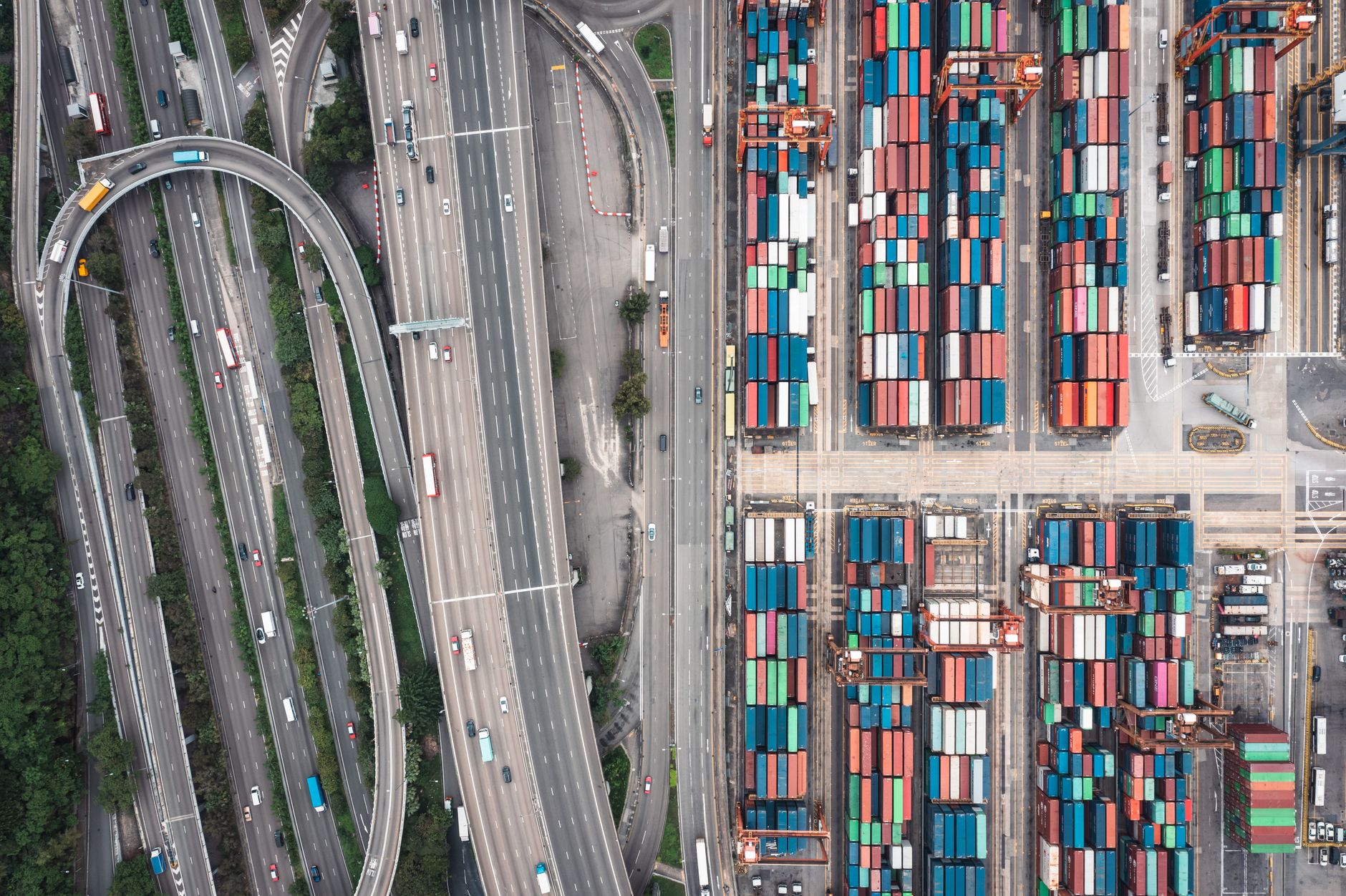
Explore the 2030 clean transit roadmap detailing five core technologies—hydrogen rail, heavy EV freight, blended wings, smart grids, and fast maritime charging—that are transforming global mobility.
The global transport sector is undergoing its most profound transformation since the invention of the internal combustion engine. Driven by aggressive decarbonization mandates, rising urban density, and volatile energy markets, cities and logistics hubs are racing to adopt next-generation transit solutions. By 2030, the strategic convergence of zero-emission propulsion, intelligent grid architecture, and aerodynamic innovation will redefine how both people and freight move across land, sea, and air.
While urban passenger EVs have reached mainstream adoption, heavy-duty freight transport has historically lagged due to battery weight and charging downtime constraints. The breakthrough lies in Megawatt Charging System (MCS) technology, which delivers charging rates up to 3.75 megawatts—enabling heavy electric trucks to gain hundreds of kilometers of range in under 30 minutes.
Extending overhead catenary wires to thousands of kilometers of rural or mountainous railway track remains cost-prohibitive. Hydrogen fuel cell trains present an optimal solution, combining zero-carbon operation with high range and fast refueling times.
By converting green hydrogen into electricity onboard, regional rail networks can replace aging diesel locomotives without expensive infrastructure retrofits. Hybrid setups incorporating onboard lithium buffer batteries allow trains to capture kinetic energy during braking, further elevating efficiency.
Aviation presents one of the most stubborn challenges in clean transit. While full electrification remains limited to short-range flights, radical aerodynamic redesigns like the Blended Wing Body (BWB) offer immediate efficiency jumps for regional and long-haul transport.
Electrified transit cannot succeed without an agile energy backbone. Smart grids powered by artificial intelligence now orchestrate power flow between transit fleets and localized utility networks, preventing dynamic charge spikes from overloading city sub-stations.
Through Vehicle-to-Grid (V2G) technology, parked electric bus fleets and delivery vans act as decentralized energy storage buffers. During peak grid demand, fleet batteries feed power back to local networks; during off-peak windows, they charge at ultra-low operational rates.
Maritime transport, particularly harbor ferries, tugboats, and short-sea shipping lines, is adopting high-power automated shore charging. Systems utilizing automated robotic arms connect to vessels instantly upon docking, delivering multi-megawatt charges during routine passenger loading windows.
The true power of the 2030 clean transit roadmap lies not in isolated tech breakthroughs, but in their orchestration. As heavy EV freight corridors plug into AI-managed smart grids, hydrogen infrastructure scales for both rail and maritime use, and streamlined BWB hulls lower aviation fuel burn, the global movement of goods and passengers is poised to become cleaner, quieter, and fundamentally more resilient.