Physical Address
96B Grimmer Road, Hamilton Waikato 5810
Physical Address
96B Grimmer Road, Hamilton Waikato 5810

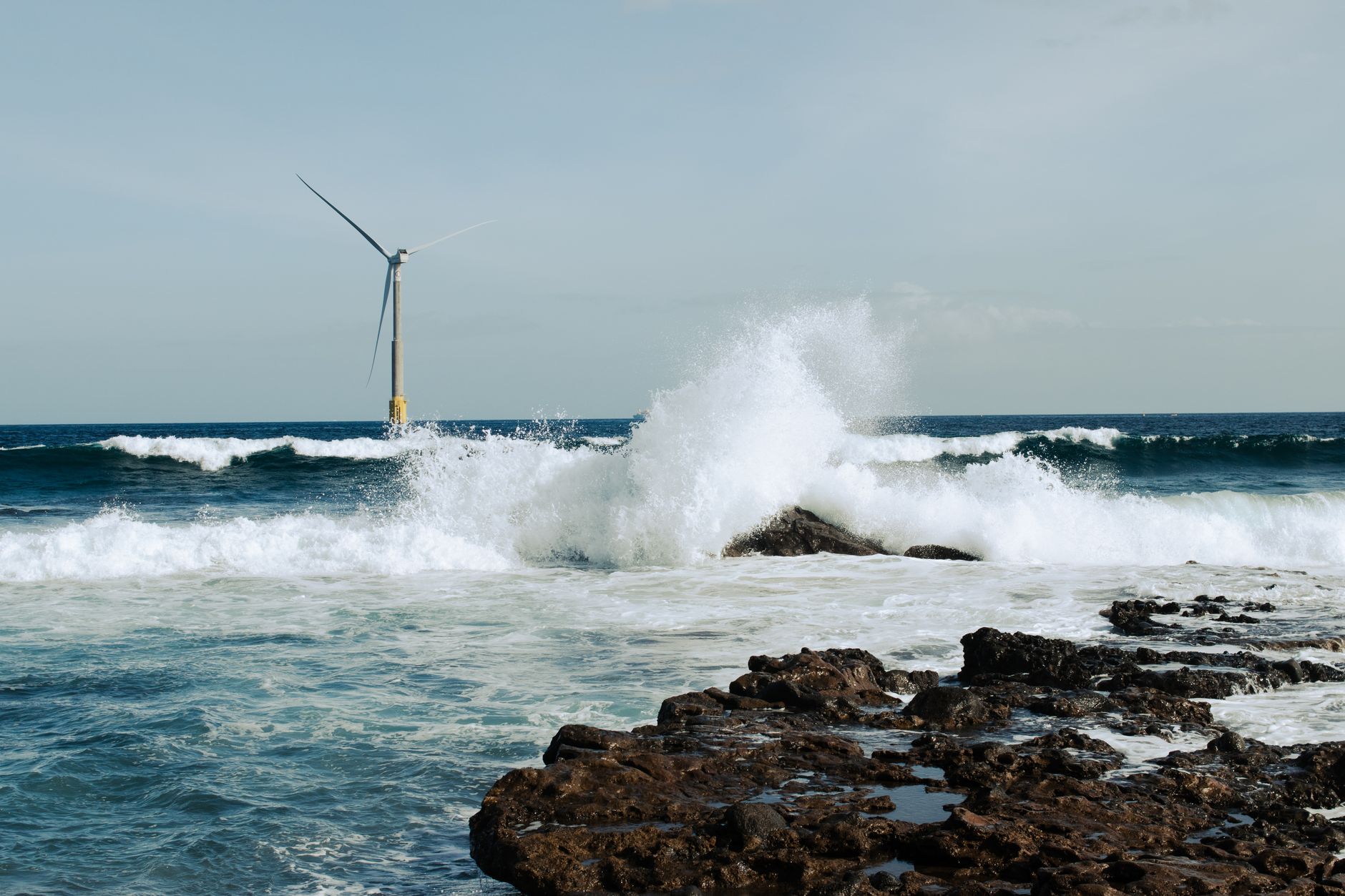
Explore how pairing offshore wind and solar farms with local green hydrogen generation solves grid curtailment, leverages direct-coupled DC mechanics, and bypasses transmission bottlenecks.
As the global energy transition accelerates, the limitations of traditional electrical grids are becoming increasingly apparent. In energy hubs across the Pacific and beyond, massive renewable installations frequently encounter transmission bottlenecks. Integrating offshore wind and large-scale utility solar directly with local green hydrogen production is emerging as a game-changing solution to these infrastructure challenges.
Colocating renewable generation assets with water electrolysis units creates a synergistic energy ecosystem. Offshore wind farms experience high, consistent capacity factors, particularly overnight, while solar photovoltaic arrays peak during mid-day hours. By combining these complementary power profiles at a single geographic site, developers achieve a remarkably flat, high-capacity utilization curve for local electrolysers.
Curtailment occurs when clean energy generation exceeds the transmission grid’s intake capacity or localized demand, forcing operators to spill valuable electricity. Colocated green hydrogen production acts as an automated elastic load. During peak generation hours when grid capacity drops, surplus electricity is dynamically redirected into polymer electrolyte membrane (PEM) or alkaline electrolysers, capturing clean energy that would otherwise be wasted.
Traditional green hydrogen setups convert direct current (DC) generated by solar panels and wind turbines into alternating current (AC) for grid delivery, only to convert it back to DC for electrolysis. This double conversion process introduces notable efficiency losses and requires costly transformer infrastructure.
Advanced colocated systems utilize direct-coupled DC architecture:
Grid interconnection delays represent one of the biggest hurdles for large-scale renewable developments worldwide. By pairing generation directly with hydrogen production, developers effectively bypass transmission bottlenecks altogether.
Instead of relying on expensive undersea high-voltage cables or overstretched overland power lines, energy is converted on-site into green hydrogen or zero-carbon molecules like green ammonia. These chemical carriers can then be transported via pipelines or maritime tankers to global export markets and industrial end-users in steelmaking, heavy transport, and chemical manufacturing.
For nations with extensive coastlines and strong offshore wind resources like New Zealand, direct-coupled green hydrogen generation offers a clear path toward energy independence and clean commodity exports. By mitigating grid constraints and maximizing every kilowatt-hour harvested offshore and onshore, colocated clean energy hubs will anchor the net-zero economy of tomorrow.