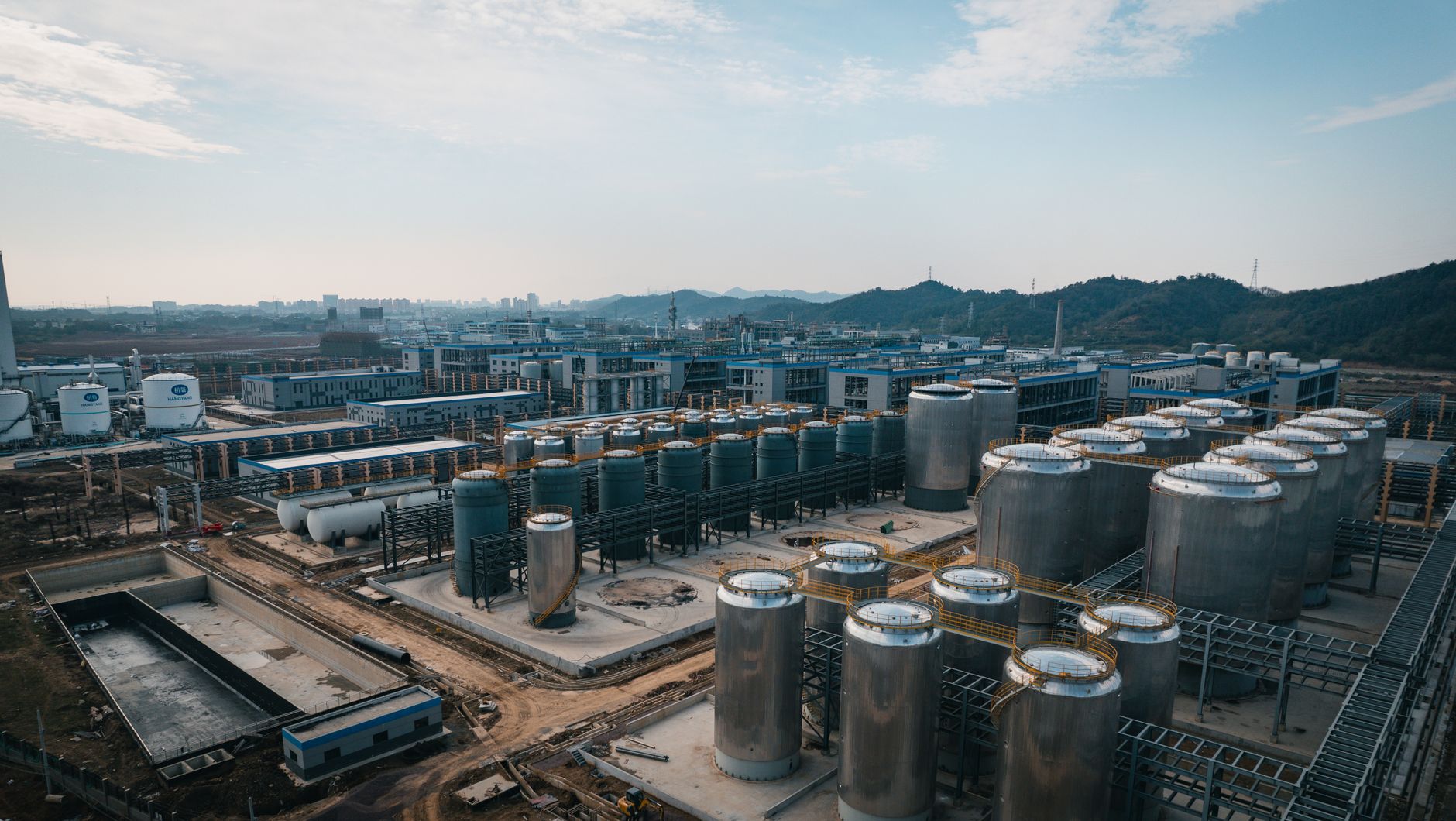
The Scale-Up Challenge for Green Hydrogen
As the global energy transition accelerates, green hydrogen has emerged as a vital vector for decarbonizing heavy transport, steelmaking, and high-heat industrial processes. In regions like New Zealand and across international markets, ambitious net-zero targets rely heavily on scaling hydrogen production. However, moving from pilot projects to gigawatt-scale facilities reveals technical and economic bottlenecks that demand rigorous evaluation.
PEM vs. Alkaline Electrolyzers: Efficiency and Degradation Rates
Selecting the right electrolyzer architecture is pivotal to facility economics and long-term viability. Currently, Proton Exchange Membrane (PEM) and Alkaline Electrolysis (AEL) dominate commercial deployments.
- Alkaline Electrolyzers (AEL): Representing the most mature commercial technology, AEL systems feature lower capital expenditure (CAPEX) and utilize non-precious catalysts like nickel. Their stack degradation rates are lower, averaging 0.25% to 0.5% loss in efficiency per 1,000 operational hours, leading to operational lifespans of 60,000 to 90,000 hours. However, AEL suffers from slower dynamic response times when coupled directly with intermittent wind and solar feeds.
- Proton Exchange Membrane (PEM): PEM systems excel at rapid dynamic response, making them ideal for balancing volatile renewable energy inputs. However, the acidic operating environment requires noble metal catalysts like platinum and iridium. PEM stacks exhibit higher degradation rates—typically 0.5% to 1.5% per 1,000 hours—resulting in shorter stack lifespans of 40,000 to 60,000 hours under heavy cycling conditions.
The Realities of Pure Water Sourcing
Water sourcing is often treated as a secondary concern, yet it represents a critical operational constraint for gigawatt-scale hydrogen plants.
Water Consumption Metrics
Stoichiometrically, splitting water requires exactly 9 liters of pure water ($H_2O$) to produce 1 kilogram of hydrogen ($H_2$). However, real-world operational requirements paint a different picture:
- Ultrapure Water Demand: Electrolyzer membranes require ultrapure water (ASTM Type I or II) with electrical conductivity below 0.1 uS/cm to prevent catalyst contamination and membrane fouling.
- Process Overhead: Accounting for demineralization, cooling tower losses, and reverse osmosis wastewater reject streams, actual water consumption ranges from 18 to 30 liters of raw water per kilogram of hydrogen produced.
- Desalination Integration: Where freshwater is scarce, seawater desalination adds roughly $0.02 to $0.05 per kilogram to production costs—a minor financial impact, but one that adds process complexity and brine disposal challenges.
Per-Kilogram Cost Curves and Future Outlook
The Levelized Cost of Hydrogen (LCOH) currently sits between $4.00 and $6.50 USD per kilogram for green hydrogen, compared to $1.50 to $2.20 USD per kilogram for fossil-fuel-derived grey hydrogen.
Key Cost Drivers
- Electricity Prices: Renewable electricity accounts for 60% to 70% of total operational costs. Achieving an LCOH below $2.00/kg requires power input costs below $20/MWh.
- CAPEX Reductions: Transitioning from manual assembly to gigafactory automation is expected to reduce PEM and AEL stack costs by over 60% by 2030.
- Stack Replacement Cycles: Accounting for stack degradation rates in long-term financial modeling is essential, as stack re-stacking costs represent up to 35% of original CAPEX over a 20-year project lifespan.
About The Author
Daylon Sckoze is the editorial voice of Elvion Pulse: practical, source-checked guides on New Zealand visas, jobs, money, housing and settling in, written for the Indian community in Aotearoa and everyone planning the move. Every guide links its sources and carries a “last checked” date.