Physical Address
304 North Cardinal St.
Dorchester Center, MA 02124
Physical Address
304 North Cardinal St.
Dorchester Center, MA 02124

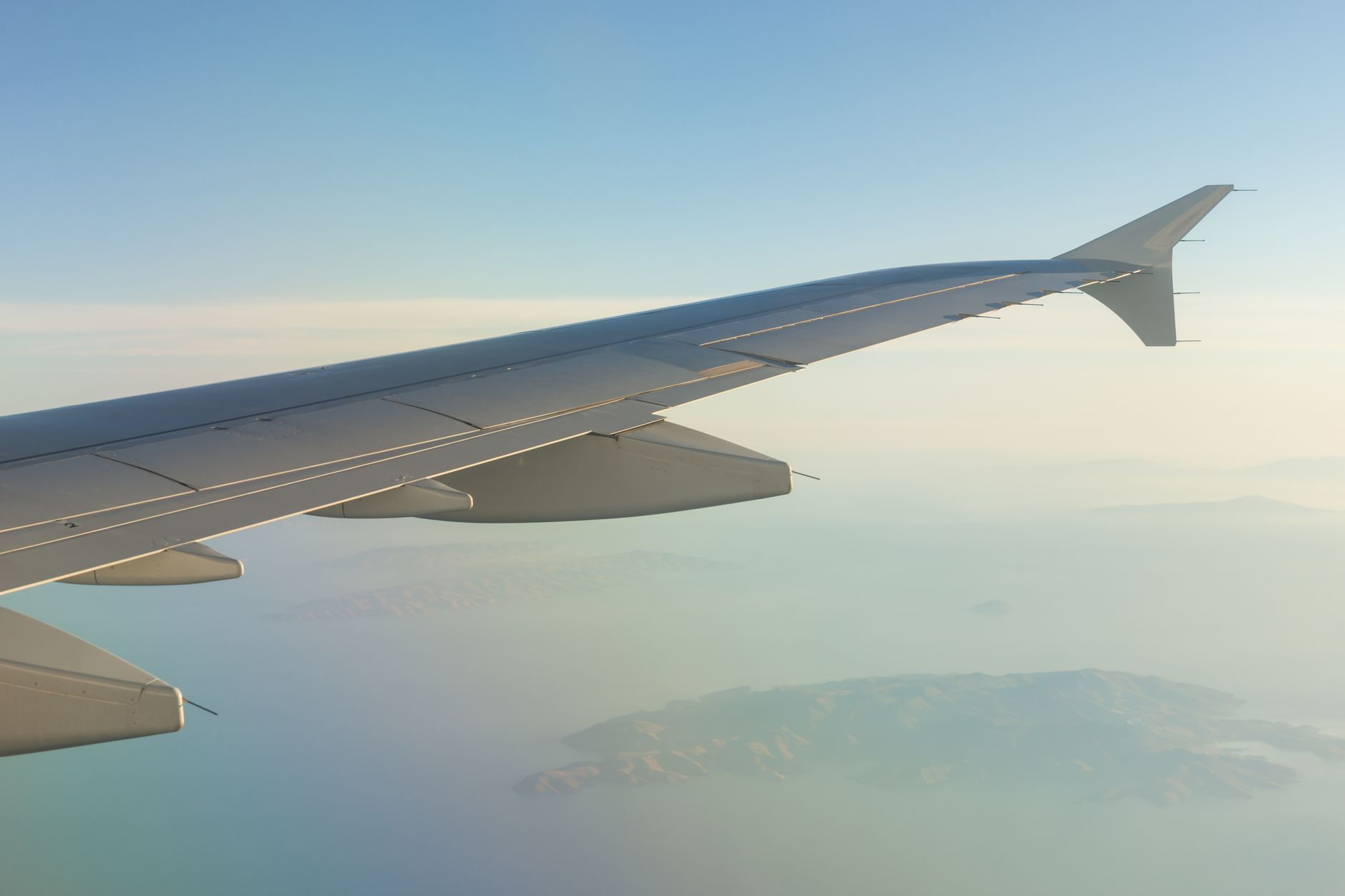
Blended-Wing Body aircraft promise a 50% reduction in fuel burn and unprecedented long-haul range. Could this radical design transform trans-Pacific travel to New Zealand?
For decades, travelers departing from Auckland Airport have accepted a fundamental reality of international travel: getting anywhere beyond Australia means spending upwards of 10 to 17 hours sealed inside a narrow metal tube. However, a radical aerodynamic revolution is taking shape in aerospace hangars worldwide that could permanently alter New Zealand’s connectivity with the rest of the planet. Enter the Blended-Wing Body (BWB) aircraft.
New Zealand is uniquely defined by its geographical isolation. Operating ultra-long-haul routes across the Pacific Ocean—such as Auckland to Los Angeles, San Francisco, or New York—demands extreme fuel capacity and efficiency. Traditional tube-and-wing designs have largely reached the limits of aerodynamic refinement.
By contrast, BWB designs merge the airframe and wings into a single lifting body. This dramatically reduces total aerodynamic drag and structural weight, yielding up to a 50% reduction in fuel consumption per passenger-kilometer. Key advantages for South Pacific flight paths include:
For Kiwis and international tourists alike, the primary barrier to long-haul travel remains cost. The unique geometry of a BWB aircraft drastically alters passenger seat economics.
Instead of long, narrow aisles, BWB interiors resemble wide, multi-zone auditoriums. This structural breadth allows airlines to accommodate significantly more passengers without creating a claustrophobic environment. Because the aircraft weighs less and burns far less fuel per seat, airlines operating trans-Pacific routes could see dramatically reduced operating costs—savings that could eventually translate into more competitive ticket pricing for travel to and from New Zealand.
While the promises of blended-wing jets are immense, integrating them into existing aviation ecosystems presents practical challenges for Pacific hubs like Auckland, Wellington, and Christchurch.
With companies like JetZero targeting mid-2030s commercial demonstrator flights and major aerospace players exploring military and cargo variants, blended-wing body aircraft are no longer science fiction. Given New Zealand’s reliance on ultra-long-haul routes, airlines servicing the South Pacific will likely be among the most enthusiastic early adopters once commercial certification is achieved.
For Aucklanders looking toward the future of aviation, the arrival of blended-wing body jets could mean faster, greener, and far more comfortable journeys across the Pacific Ocean.