Physical Address
304 North Cardinal St.
Dorchester Center, MA 02124
Physical Address
304 North Cardinal St.
Dorchester Center, MA 02124

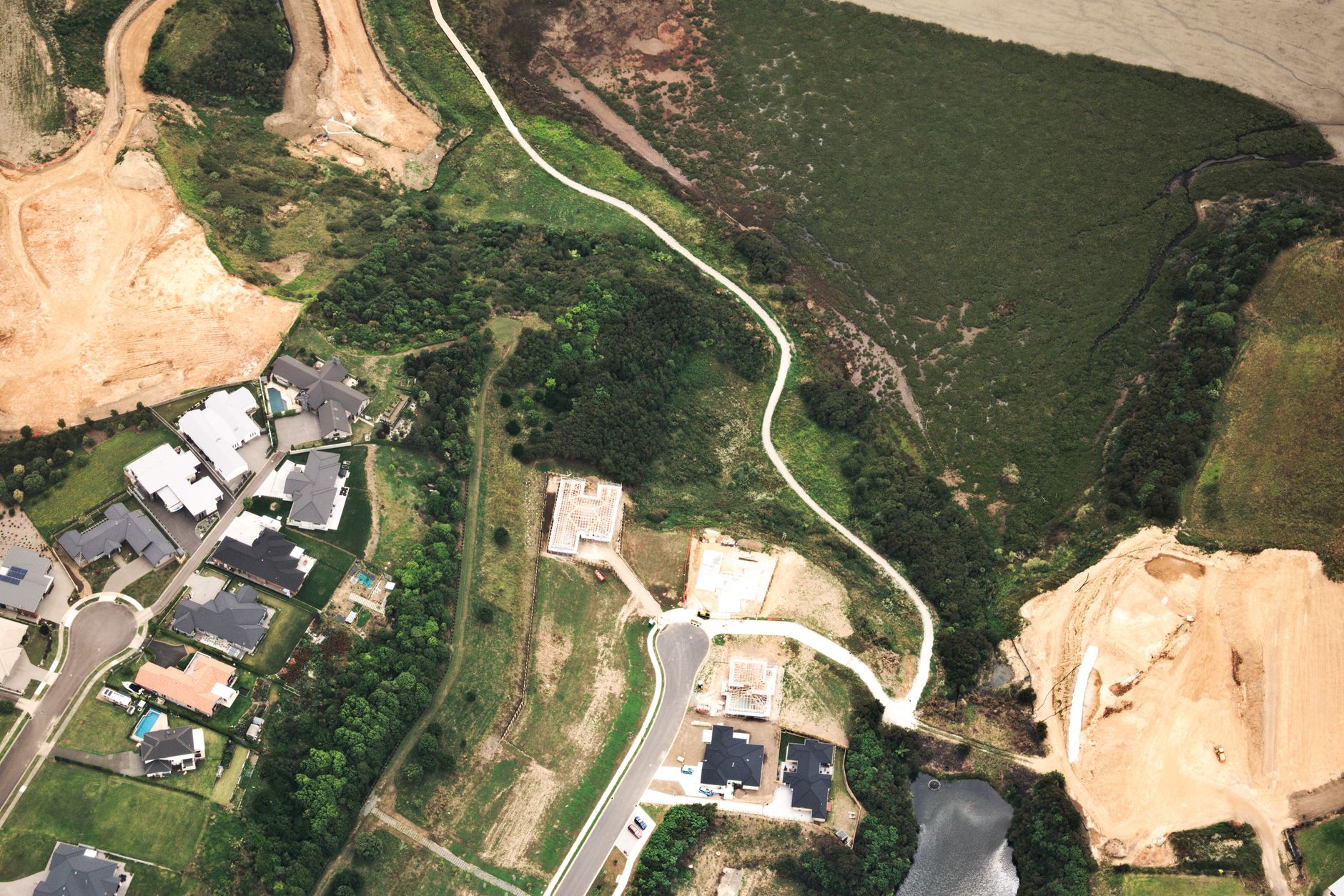
New Zealand's latest urban development reforms introduce an independent land umpire to hold local councils accountable, lower section costs, and unlock housing supply across major cities.
New Zealand’s housing market is undergoing a seismic shift as fresh policy directions target municipal roadblocks through an independent land umpire mechanism. Designed to strip away bureaucratic inertia, this landmark urban development reform establishes unprecedented economic oversight on local councils. For first-home buyers, developers, and property investors in Auckland and beyond, the initiative aims to fundamentally alter how land supply is unlocked and priced.
For decades, property developers have grappled with extensive delays, restrictive zoning, and ballooning holding costs caused by protracted council processes. The independent land umpire serves as an impartial arbitrator, holding local authorities accountable when zoning frameworks or consent delays artificially restrict urban expansion.
In major metro areas like Auckland, raw land accounts for a disproportionate share of the final price tag on a new residential build. By accelerating consent turnarounds and increasing section availability, the reform aims to exert downward pressure on section costs over the medium to long term.
When developers face lower holding costs and fewer planning deadlocks, savings can be passed on to buyers. While instant price drops across existing housing stock are unlikely, the expanded pipeline of affordable land builds a stronger foundation for overall housing affordability.
In Greater Auckland, where urban boundaries and heritage rules have frequently collided with density goals, an independent land umpire provides a decisive mechanism to resolve deadlocks. Aligning infrastructure planning with real-world demand promises a more reliable flow of new builds across key growth corridors, positioning New Zealand’s property sector for sustainable future expansion.