Physical Address
304 North Cardinal St.
Dorchester Center, MA 02124
Physical Address
304 North Cardinal St.
Dorchester Center, MA 02124

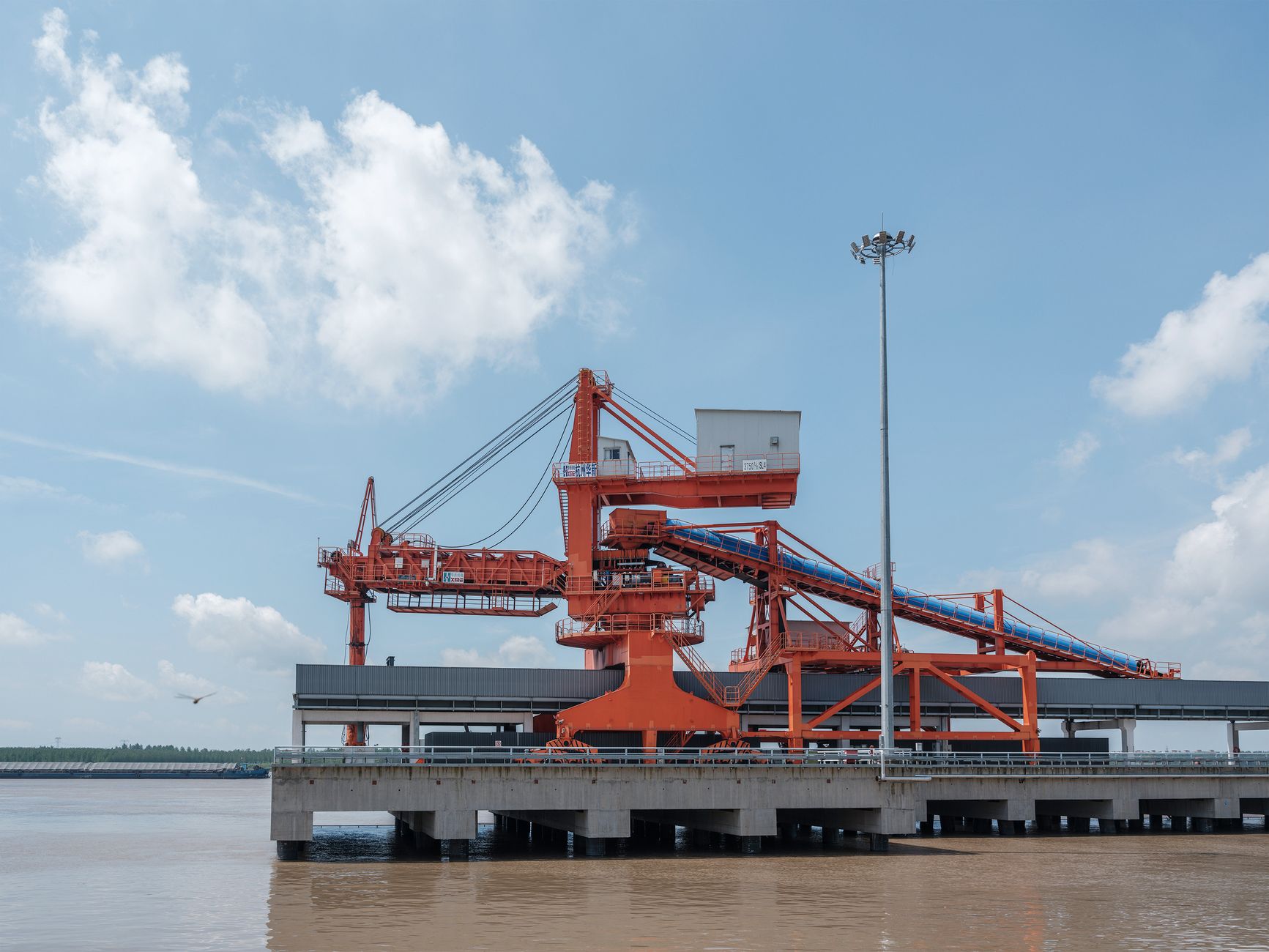
Global shipping is undergoing a green revolution. Discover how modern harbors are utilizing automated straddle carriers, shore power, and AI logistics to eliminate carbon emissions.
As global trade accelerates, the maritime industry faces an urgent mandate to decarbonise. Ports are no longer just static entry points for cargo; they are becoming dynamic hubs of clean energy innovation. From Auckland to Rotterdam, harbor authorities are overhauling operations to replace diesel-powered legacy infrastructure with autonomous, zero-emission alternatives.
One of the most visible transformations on modern container terminals is the deployment of automated straddle carriers and fully electric port equipment. These heavy-duty vehicles move massive shipping containers across docks with millimeter precision, operating on clean electricity rather than diesel fuel.
When massive container ships and cruise liners berth at a port, their auxiliary engines historically remained running to power onboard systems, creating localized smog and heavy carbon emissions. Modern harbors are tackling this through shore-to-ship power, commonly known as cold ironing.
By connecting berthed vessels directly to municipal electrical grids—ideally fed by renewable energy sources like wind, hydro, and solar—ships can completely shut down their engines while docked. This plug-in capability eliminates hundreds of tonnes of carbon dioxide and particulate matter per vessel visit.
Cutting carbon isn’t purely about swapping fuels; it is also about maximizing operational intelligence. Advanced port management software powered by artificial intelligence plays a crucial role in eliminating unnecessary energy expenditures across the supply chain.
For maritime hubs across Australasia, including Auckland, achieving zero-emission port operations is vital for both meeting regional climate commitments and remaining competitive in global trade networks. By combining automated transport, renewable shore power, and digital management, modern ports are proving that clean operations and high efficiency go hand in hand.