Physical Address
96B Grimmer Road, Hamilton Waikato 5810
Physical Address
96B Grimmer Road, Hamilton Waikato 5810

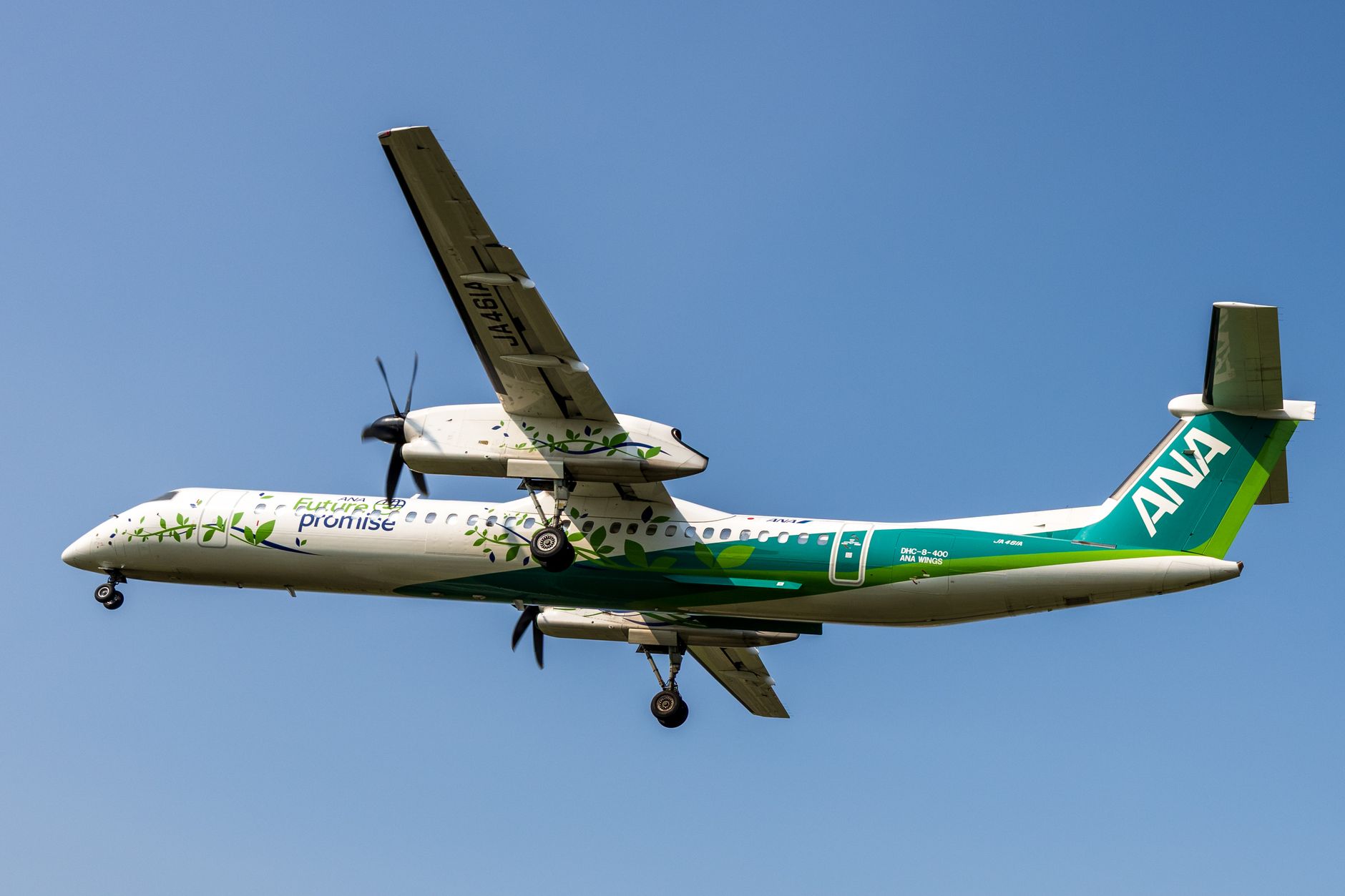
A deep dive into the race between Sustainable Aviation Fuels (SAF) and radical aerodynamic airframe redesigns to determine which technology will decarbonise commercial aviation first.
Aviation currently accounts for roughly 2.5% of global energy-related carbon dioxide emissions, a figure that could balloon as passenger volumes rebound and expand worldwide. For island nations like New Zealand, where long-haul connectivity is vital to the economy, decarbonising air travel is both an environmental imperative and an economic imperative. Airlines face intense regulatory pressure and public scrutiny to achieve net-zero carbon emissions by 2050. However, achieving this ambitious target requires radical innovation. Today, two primary strategies dominate the industry debate: immediate deployment of Sustainable Aviation Fuels (SAF) and radical aerodynamic airframe redesigns. Understanding which pathway delivers carbon reductions first requires balancing short-term scalability against long-term energy efficiency.
Sustainable Aviation Fuels represent a broad class of liquid hydrocarbon fuels produced from non-fossil feedstocks. These include hydroprocessed esters and fatty acids (HEFA) derived from waste cooking oils, municipal solid waste, forestry residues, and synthetic power-to-liquid (PtL) fuels created using captured carbon dioxide and green hydrogen. The primary advantage of SAF is its ‘drop-in’ capability—it can be blended up to 50% with conventional fossil Jet A-1 fuel without requiring modifications to existing aircraft engines or airport refuelling infrastructure.
While SAF can reduce lifecycle emissions by up to 80% compared to traditional jet fuel, its deployment is constrained by high production costs and supply chain bottlenecks. Currently, SAF accounts for less than 1% of total global commercial jet fuel consumption. Expanding production requires vast capital investments in refining capacity and continuous supplies of sustainable feedstocks. Airlines, including Air New Zealand, are actively securing off-take agreements, yet the pace of production ramp-up remains the central hurdle to achieving meaningful emission cuts in the 2020s.
While SAF focuses on decarbonising the fuel source, aerodynamic redesign targets the energy required to lift and push an aircraft through the sky. For decades, commercial aviation has relied on the traditional ‘tube-and-wing’ design. Although incremental enhancements—such as lightweight composite materials and advanced winglets—have improved fuel burn by approximately 1% annually, fundamental design overhauls are necessary to achieve step-change reductions in energy consumption.
Next-generation airframe concepts, such as the Blended Wing Body (BWB) and Transonic Truss-Braced Wing (TTBW), offer dramatic aerodynamic improvements. By integrating the fuselage and wing into a single continuous lifting surface, BWB designs can reduce drag and structural weight, yielding fuel efficiency gains of up to 30% to 50% compared to conventional jets. However, these radical designs require completely new manufacturing tooling, redesigned passenger cabins, modified airport gate infrastructure, and lengthy regulatory certification processes.
Determining which innovation cuts emissions first depends on time horizons, operational readiness, and capital efficiency:
For New Zealand, long-haul flight routes mean that high energy density fuels will remain essential for decades. Electric and hydrogen-powered aircraft may service short domestic routes across the North and South Islands within the next decade, but long-haul travel across the Pacific and Tasman will rely heavily on high-efficiency airframes powered by SAF. The consensus among aerospace engineers is clear: SAF and aerodynamic redesign are not mutually exclusive. SAF delivers essential immediate emission reductions today, while radical aerodynamic redesign provides the long-term energy efficiency necessary to make net-zero aviation economically viable by 2050.