Physical Address
304 North Cardinal St.
Dorchester Center, MA 02124
Physical Address
304 North Cardinal St.
Dorchester Center, MA 02124

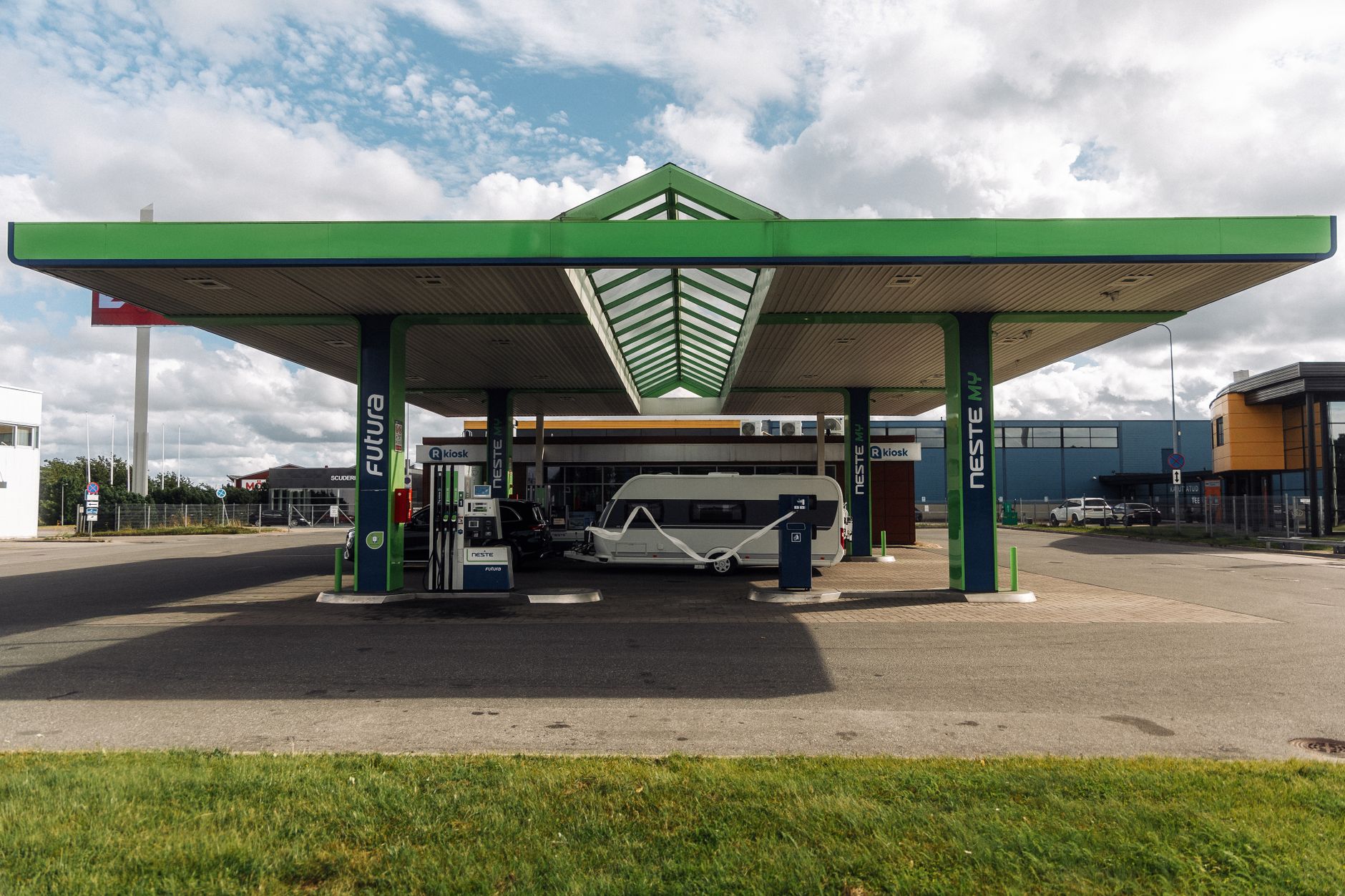
Behind zero-emission heavy transport lies a massive engineering feat: 500-bar hydrogen refueling hubs. Learn how high-pressure compression, cascading storage, and advanced safety systems power rapid green depot fueling.
As urban hubs like Auckland accelerate toward decarbonised transit networks, public attention often centers on fuel-cell electric buses and long-haul heavy trucks. However, the true backbone of this transition sits quietly behind safety perimeters: 500-bar hydrogen refueling hubs. Operating at roughly 500 times normal atmospheric pressure, these specialized facilities represent an extraordinary feat of mechanical engineering, energy management, and fluid dynamics.
Delivering gaseous hydrogen to a heavy vehicle requires exceptional density so that vehicles can achieve maximum range without carrying oversized storage tanks. While passenger cars frequently rely on 700-bar systems, commercial truck and transit operators prefer 500-bar infrastructure. This pressure level offers an ideal compromise between compression energy costs, station throughput, and payload weight balance.
Transforming low-pressure hydrogen delivered via tube trailer or generated on-site into high-density fuel requires robust compression systems. Modern hubs utilize multi-stage ionic liquid or diaphragm compressors designed to avoid gas contamination while maintaining cool, stable operating temperatures during rapid fills.
Efficient fuel management at a high-throughput depot relies on a technique known as cascading dispensing. Rather than running high-horsepower compressors continuously during a vehicle fill, stations store gas in staged high-pressure vessel banks.
For commercial transit operators, fleet downtime directly impacts revenue. Megawatt-scale battery electric charging for heavy vehicles can require significant dwell times, whereas 500-bar hydrogen systems achieve complete tank fills on a heavy bus or truck within 10 to 15 minutes. This near-parity with conventional diesel refueling enables uninterrupted 24/7 service schedules without expanding depot fleet counts.
Working with hydrogen gas at 500 bar demands multi-layered, fail-safe architecture across the entire site.
As logistics corridors across New Zealand and the wider Asia-Pacific region decarbonise, high-pressure hydrogen fueling hubs will transition from innovative pilot projects to critical utility infrastructure. By mastering high-pressure logistics, safety automation, and rapid depot turnarounds, these hubs provide the essential foundation for zero-emission commercial transport.